
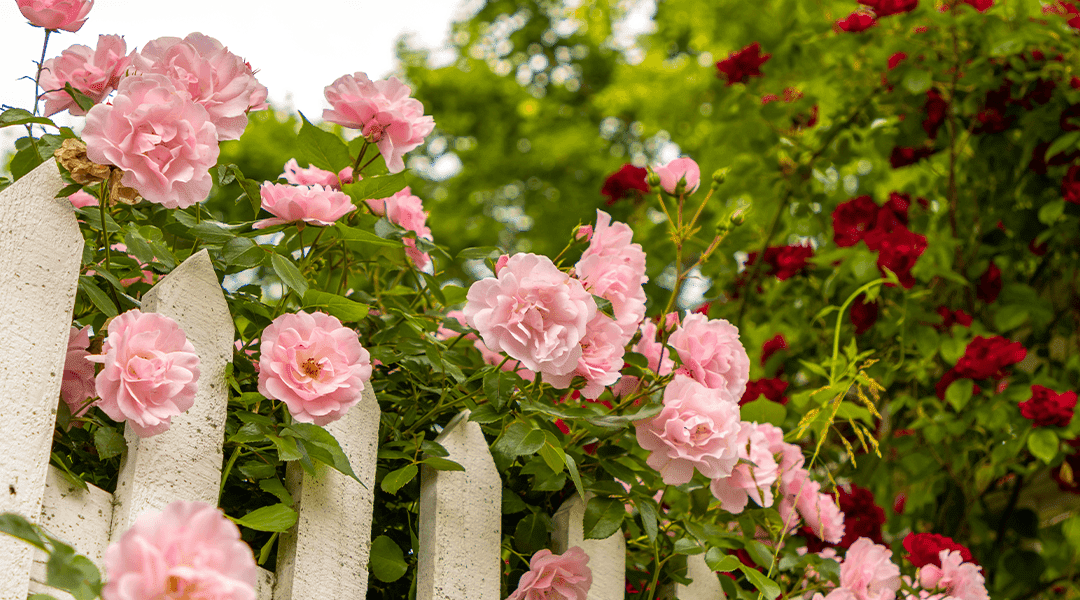
A rose bush covered in healthy green leaves but producing few flowers (or none at all) is one of the most frustrating problems gardeners face.
At first glance, the plant appears healthy. The foliage looks lush, the stems are growing, and there may not be any obvious signs of disease or damage. Yet week after week, the blooms never arrive.
The challenge is that roses don’t stop flowering for just one reason. A lack of sunlight, improper pruning, nutrient imbalances, watering issues, pest pressure, and even the natural characteristics of certain varieties can all affect bloom production. Without identifying the real cause, it’s easy to spend time and money on solutions that never address the problem.
1. First, Check: Is It Actually Time for Your Rose to Bloom?
Before diagnosing a problem, make sure you’re not expecting flowers too early.
In northern Illinois, most roses begin blooming between late May and early June. Repeat-blooming varieties such as Knock Out®, Drift®, Floribunda, and many shrub roses continue producing flowers through summer and into early fall.
Some roses bloom only once per year. Many climbers, ramblers, and heirloom varieties put on a spectacular display in June and then stop flowering until the following season.
A rose that isn’t blooming in April may be perfectly normal. A repeat bloomer that still hasn’t produced buds by midsummer usually deserves a closer look.
Quick questions to ask:
- Do you know what type of rose you have?
- Did it bloom normally last year?
- Has it produced buds yet, or only leaves?
- Was there significant winter damage this spring?
The answers often point you toward the right solution faster than any fertilizer ever will.
2. Not Enough Sunlight (Less Than 6 Hours a Day)
If there is one requirement roses refuse to compromise on, it’s sunlight.
Most roses need at least six hours of direct sun every day, and eight hours is often even better. A location that looked sunny in spring can become surprisingly shady once nearby trees leaf out for summer.
A rose growing in partial shade often produces:
- Long, leggy stems
- Large amounts of foliage
- Few flower buds
- Smaller blooms
- Reduced repeat flowering
This is one of the most common reasons gardeners end up with a rose bush that looks healthy but never flowers well.
How to fix it
- Monitor sunlight for a full day rather than estimating.
- Prune nearby shrubs or tree branches if possible.
- Consider transplanting the rose during dormancy if the location receives less than six hours of direct sun.
No fertilizer can compensate for inadequate sunlight.
3. Too Much Nitrogen Fertilizer
A surprisingly common mistake is feeding roses exactly what they don’t need.
Nitrogen fuels leafy growth. That’s great when establishing a plant, but too much nitrogen encourages stems and foliage while reducing flower production.
This often happens when:
- Lawn fertilizer reaches nearby roses
- Roses are fed frequently with high-nitrogen products
- Gardeners apply fertilizer every few weeks hoping for more blooms
The result is a plant that looks vigorous but refuses to flower.
Signs of excess nitrogen
- Dark green leaves
- Rapid stem growth
- Few buds
- Large amounts of soft new growth
How to fix it
Switch to a balanced rose fertilizer or a bloom-supporting formula with lower nitrogen levels, such as 5-10-10.
For most Chicagoland gardens, fertilizing in early spring, after the first flush of blooms, and again in mid-July is usually sufficient.
Avoid fertilizing late in the season. Roses need time to prepare for winter dormancy.
4. Improper or Mistimed Pruning
Many flowering problems start with good intentions and a pair of pruners.
Different roses bloom on different types of growth.
Some produce flowers on new growth. Others bloom on stems that formed the previous season. If those stems are removed at the wrong time, so are the flowers.
Common pruning mistakes
- Cutting climbers back hard in spring
- Removing healthy canes after winter
- Pruning repeatedly during the growing season
- Shearing roses like hedges
How to fix it
Identify the type of rose before pruning.
Repeat-blooming shrub roses generally benefit from spring pruning. Many climbing and once-blooming roses should be pruned after flowering rather than before.
If your rose suddenly stopped blooming after a major pruning session, timing may be the culprit.
5. Skipping Deadheading
Many modern roses are repeat bloomers, but they still need encouragement.
Once flowers fade, the plant naturally shifts energy toward producing seeds inside rose hips. Deadheading redirects that energy toward producing new flower buds.
How to deadhead correctly
Locate the first outward-facing leaf with five leaflets beneath the spent bloom.
Make a clean cut just above that leaf.
Regular deadheading often results in:
- Faster reblooming
- More flowers
- Improved appearance
- Longer flowering season
Stop deadheading in late summer so the plant can gradually prepare for winter.
6. Inconsistent Watering or Poor Drainage
Roses are surprisingly resilient plants, but they don’t handle extremes very well.
A week or two of hot, dry weather can cause a rose to shift its energy away from flowering and into survival mode. Instead of producing new buds, the plant focuses on protecting its roots and existing growth. On the other hand, soil that stays constantly wet can be just as problematic. When roots sit in soggy ground, they struggle to absorb oxygen and nutrients, leaving the plant stressed even though water is abundant.
In Chicagoland, weather adds another layer of complexity. Late winter and early spring often bring repeated freeze-thaw cycles, where the ground freezes, softens, and freezes again. Those temperature swings can stress roots, heave plants slightly out of the soil, damage young growth, and slow a rose’s recovery heading into the blooming season. A rose that survived winter may still spend part of spring rebuilding from weather-related stress before it focuses on producing flowers.
In all of these situations, blooms are often the first thing to disappear.
Many gardeners notice fewer blooms after an unusually dry summer and assume the plant needs fertilizer. Others see yellowing leaves in wet soil and water even more, not realizing the roots are already struggling. The real issue is that the plant is having trouble accessing what it needs.
A healthy rose prefers deep, consistent watering and soil that drains well after rain. If your rose produces buds one month and none the next, think back to recent weather conditions. Extended dry spells, heavy clay soil, standing water after storms, or erratic watering schedules can all interrupt the bloom cycle long before the plant shows more obvious signs of stress.
Signs of Watering Problems
Too dry:
- Drooping foliage
- Small buds
- Bud drop
- Reduced flowering
Too wet:
- Yellow leaves
- Weak growth
- Root problems
- Reduced bloom production
How to fix it
Water deeply rather than frequently.
Most established roses perform best with approximately one inch of water per week from rainfall or irrigation.
If water regularly sits around the base of the plant after storms, improving drainage may be more important than watering more often.
7. Rose Blindness (Blind Shoots)
One of the least understood causes of poor flowering is a condition called rose blindness.
A blind shoot is a stem that grows normally but never forms a flower bud.
Instead of ending with a bloom, the shoot develops a cluster of leaves and keeps growing.
What causes rose blindness?
Several factors may contribute:
- Temperature swings
- Stress
- Nutrient imbalances
- Reduced sunlight
- Genetic tendencies in some varieties
How to fix it
Trace the blind shoot back to a healthy outward-facing leaf and prune it lightly.
This often stimulates new growth capable of producing flower buds.
If your rose keeps producing leafy shoots with no flowers, rose blindness is worth investigating.
8. Pest Damage and Fungal Disease
Sometimes the rose wants to bloom, but pests and disease get there first.
Bud damage can prevent flowers from opening at all.
Common Culprits in Chicagoland
Japanese beetles
- Skeletonize foliage
- Damage flowers and buds
Aphids
- Cluster on developing growth
- Distort buds
Thrips
- Feed inside the flower buds
- Cause deformed blooms
Black spot
- Causes leaf loss
- Reduces plant vigor
How to fix it
Regular inspection is often the best defense.
Look at developing buds, new growth, and the undersides of leaves every week during summer. Address problems early before the plant loses enough energy to affect flowering.
Good air circulation, proper spacing, and avoiding overhead watering also reduce disease pressure.
9. The Rose Is Too Young or Reverting to Rootstock
Sometimes the reason a rose isn’t blooming has nothing to do with what you’re doing wrong.
Gardeners often expect a newly planted rose to perform exactly as it did at the garden center, covered in flowers from the moment it goes into the ground. But after planting, a rose has different priorities. Instead of putting all of its energy into blooms, it’s busy establishing roots, adapting to its new environment, and recovering from the stress of transplanting.
That can be disappointing, especially when the plant looks healthy and continues to produce new growth. But in many cases, patience is the best solution.
Container-grown grafted roses frequently bloom during their first season, although the display may be lighter than expected. Own-root roses, however, are often slower to settle in. It’s not unusual for them to spend a year (or even two) building a strong root system before producing the kind of flowering performance they’re known for.
If your rose is relatively new, ask yourself whether you’re seeing progress. New stems, healthy foliage, and steady growth are all signs that the plant is investing in its future blooms, even if flowers haven’t arrived yet.
Another possibility is that the rose you’re looking at isn’t entirely the rose you planted.
Many landscape roses are grafted, meaning the flowering variety is attached to a different root system chosen for vigor and hardiness. If the upper portion of the plant suffers severe winter damage or dies back, the rootstock can begin sending up its own shoots.
These shoots are often vigorous, fast-growing, and covered in leaves. At first glance, they can look like a healthy recovery. But because they originate from the rootstock rather than the flowering variety, they may produce few flowers, different flowers, or no desirable blooms at all.
This is particularly common after harsh winters in northern Illinois, when gardeners are excited to see new growth emerge in spring and assume the plant is bouncing back normally.
Signs of rootstock suckers
- Faster growth than the rest of the plant
- Different leaf shape
- Different thorn pattern
- Flowers that don’t match the original variety
If you’re unsure whether you’re dealing with a young plant that needs time or rootstock growth that needs attention, compare this season’s growth to photos from previous years. In many cases, the rose isn’t failing to bloom because it’s unhealthy. It’s either still getting established or it’s no longer the rose you thought you were growing.
10. Other Reasons Roses May Not Bloom
While the issues above account for most flowering problems, a few additional factors can also reduce blooms:
- Late spring freezes that damage developing buds
- Severe winter dieback
- Excessive shade from rapidly growing trees
- Herbicide drift from lawn treatments
- Overcrowded planting areas
- Extreme summer heat stress
In northern Illinois, unusual spring weather can delay flowering by a week or two compared to average years.
How to Get More Blooms: Your Chicagoland Rose Care Checklist
If your goal is simply more flowers, focus on the fundamentals.
Spring
Prune appropriately for your rose type
Remove winter-damaged canes
Apply rose fertilizer
Mulch around the base
Early Summer
Monitor for pests
Water deeply during dry periods
Deadhead regularly
Fertilize after the first major bloom cycle
Mid-Summer
Continue deadheading
Watch for black spot and Japanese beetles
Fertilize again if needed
Late Summer
Stop fertilizing by mid-August
Reduce pruning
Allow plants to prepare for dormancy
Throughout the Season
Provide at least six hours of direct sunlight
Keep foliage as dry as possible
Inspect buds regularly
Correct problems early before flowering declines
A rose that receives sufficient sunlight, proper pruning, consistent moisture, and balanced nutrition typically rewards gardeners with far more blooms than any special product ever could.
FAQs
Why is my rose bush growing leaves but no flowers?
Too much nitrogen in your fertilizer is one of the most common causes. High-nitrogen feeds encourage leafy growth at the expense of blooms. Switch to a lower-nitrogen rose fertilizer or a bloom-supporting formula such as 5-10-10. Insufficient sunlight is another leading cause. Most roses need at least six hours of direct sun each day to flower well.
How long does it take for a new rose bush to bloom?
Container-grown grafted roses often flower during their first season. Own-root roses may need one to two years to establish before producing their best display. Some gardeners remove the first few buds to encourage stronger root development and better flowering in future seasons.
What month do roses bloom in Illinois?
Most roses in Chicagoland begin blooming in late May or early June. Repeat bloomers continue flowering through summer and into fall. Climbers and once-blooming roses usually peak in June. Weather conditions can shift bloom timing by a week or two in either direction.
What fertilizer makes roses bloom more?
Choose a balanced rose fertilizer or a lower-nitrogen, higher-phosphorus formula such as 5-10-10. Apply in early spring, again after the first flush of blooms, and once more in mid-July if needed. Stop fertilizing by mid-August, so plants can prepare for winter.
Should I cut off dead roses to encourage more blooms?
Yes. Deadheading encourages repeat bloomers to produce additional flowers instead of putting energy into seed production. Cut just above the first outward-facing five-leaflet leaf beneath the spent bloom.
Can I move a rose bush that isn’t blooming?
Yes. If lack of sunlight is the problem, relocating the rose is often the most effective solution. Move it during dormancy in late fall or early spring. Dig a generous root ball, replant at the same depth, and keep the soil consistently moist while it re-establishes.