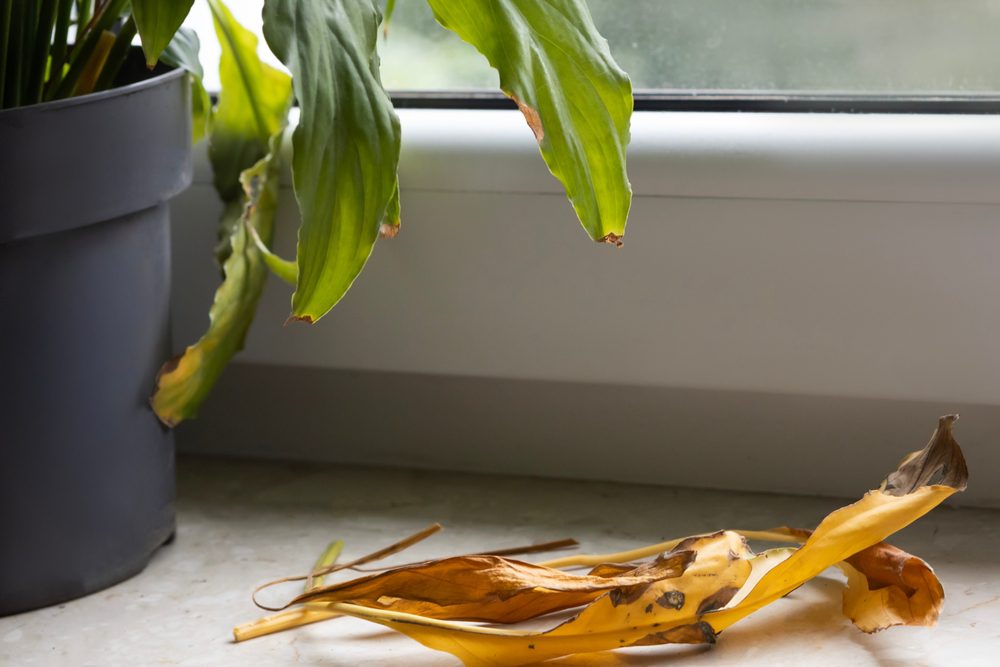
If your houseplants look a little rough by the end of winter, it can be really frustrating, especially when you’ve been doing your best, putting effort in by watering, adjusting placement, and even using fertilizer. However, it’s incredibly common for houseplants to struggle in winter, especially here in the Midwest, where sunlight drops off, temperatures fluctuate, and indoor air gets seriously dry.
Once temperatures rise and days stretch longer, plants receive more consistent light, and humidity begins to return to the air. Many plant babies respond quickly, pushing out fuller growth and developing stronger roots within weeks, especially when the transition is handled with care.
The challenge is knowing how to make that transition without setting them back. Timing, exposure, and gradual adjustment all play a role in how well your plants respond, and small missteps can undo the benefits you’re aiming for.
Why Many Houseplants Benefit from Time Outdoors
After months indoors, your plants are ready for a change of scenery. During winter, they’ve been dealing with:
- Low light levels (even bright windows don’t compare to outdoor light)
- Dry air from heating systems
- Limited airflow
- Slower nutrient uptake
That combination is exactly why houseplants struggle in winter.
When you move houseplants outdoors for the summer, you’re giving them:
- Brighter, more consistent light
- Natural humidity
- Better air circulation
- More space to grow
This can encourage your plant to grow stronger roots, larger leaves, and more consistent, healthy new growth.
Tropical plants especially benefit from this seasonal shift. Even low-maintenance varieties can perk up significantly after a few months outside.
If your home tends to be darker in winter, plants like Snake Plants or Aglaonema are great options to carry you through the colder months. They tolerate lower light better than most and won’t decline as quickly.
For homes with dry, furnace-heavy air, the ZZ Plant is about as tough as it gets, especially since it handles neglect and low humidity without missing a beat.
When It’s Safe to Move Houseplants Outside in Spring
In the Chicagoland area, timing is especially important when you think about late spring frosts and unpredictable temperature swings. The biggest mistake people make is moving plants outside too early. Even if it feels warm in April, nighttime temperatures can still dip into the 40s (or lower), which can shock tropical plants.
The general rule of thumb is to wait until overnight temperatures consistently stay above 50°F.
For most of northern Illinois, that means:
- Mid to late May is the safest window
- Always check the forecast for late frosts
If you’re wondering when to move houseplants outside, err on the side of caution. A few extra weeks indoors is far better than cold damage.
How to Acclimate Houseplants to Outdoor Conditions
You can’t just move a plant from your living room to full sun on the patio and expect it to thrive. That’s a recipe for scorched leaves and stress.
Instead, you’ll need to harden off houseplants. “Hardening” is a gradual process that helps them adjust to outdoor conditions.
Here’s how to acclimate houseplants outdoors:
- Start in full shade
- Place plants in a shaded, protected area (like under a tree or covered porch) for the first few days.
- Increase light gradually
Over 7–10 days, slowly introduce more light:
- A little morning sun first
- Then partial sun
- Avoid harsh afternoon sun for most houseplants
Signs of too much sun include:
- Bleached or crispy leaves
- Sudden drooping
- Brown patches
If you notice signs of stress from too much light, move the plant back into a shadier spot and give it more time to adjust gradually.
Keep watering consistent
One thing to keep in mind as you bring your indoor plants out: outdoor conditions dry soil faster, especially with wind and sun exposure.
Making a gradual transition is the key to successfully moving houseplants outside in spring without setbacks.
Caring for Houseplants Outdoors During Summer
Once your plants are acclimated, summer is where the magic happens.
Light
Most houseplants prefer:
- Bright, indirect light
- Morning sun with afternoon shade
Very few indoor plants can handle full, direct afternoon sun, especially come July. Chicagoland sits in Zone 5 of the USDA Hardiness Zone Map, where summer brings long days, high sun intensity, and occasional heat waves. By mid-summer, the sun is more direct and prolonged than what most houseplants are adapted to indoors, often leading to leaf scorch, dehydration, and stress, especially when combined with reflective heat from patios, siding, or concrete surfaces.
Watering
Outdoor plants dry out faster than indoor ones, thanks to increased light, airflow, and heat exposure. Even plants that hold moisture well indoors may need more frequent watering outside.
Check the soil regularly, especially during hot stretches or windy days. Containers can dry out quickly in summer conditions, and inconsistent moisture can lead to stress, drooping, or crispy leaf edges.
Feeding
This is your plant’s peak growing season, which means it’s actively using up nutrients in the soil.
Regular feeding with a balanced houseplant fertilizer helps support new growth, stronger roots, and overall vigor. Since watering is more frequent outdoors, nutrients can also flush out of the soil more quickly, making consistent feeding even more important during this time.
Pests
Ironically, the outdoors can be both helpful and risky when it comes to pests.
Beneficial insects often help keep harmful populations in check, but common issues like aphids, spider mites, and scale can still show up, especially on tender new growth.
With increased exposure comes increased risk, so it’s important to check leaves regularly, including the undersides. Catching problems early makes them much easier to manage before they spread.
Placement Tips
Different areas around your home create small microclimates, and matching your plants to the right spot can make a big difference in how they perform.
Ferns, like Blue Oil Fern, prefer shaded, more humid areas where they’re protected from direct sun and drying winds. English Ivy ‘Green Ripple’ can handle cooler, partially shaded spots, making it a versatile option for porches or north-facing areas. Philodendron Birkin thrives in bright shade but benefits from protection against intense afternoon sun.
Even subtle differences, like being near a wall, under an overhang, or exposed to wind, can impact how quickly soil dries and how much light a plant receives. Rotating your plants occasionally can also help promote even, balanced growth.
How to Bring Houseplants Back Indoors in Fall
As temperatures start to drop, it’s time to reverse the process. Bringing houseplants back inside for winter is just as important as moving them out in spring. And just as easy to get wrong.
Timing Matters Again
Before nighttime temps dip below 50°F, it’s time to bring plants inside.
In Chicagoland, mid to late September is when you want to start committing to an inside transition before overnight temperatures begin to dip any lower.
Step 1: Inspect for Pests
Before bringing plants back indoors, it’s important to check for pests that may have settled in while they were outside.
Outdoor conditions expose plants to insects like aphids, spider mites, and scale, which often hide under leaves, along stems, or near the soil surface. While these may stay relatively contained outdoors, bringing them inside creates a much more stable environment, with no rain, no natural predators, where populations can spread quickly to other houseplants. Using a granular systemic insecticide allows the plant to uptake protection from the inside out as a preventative, even when no signs of pests are present. Allow 2 weeks for the systemic to uptake prior to bringing your plants inside.
Carefully check:
- Under leaves
- Along stems
- In the soil
Rinse the plant thoroughly with water and treat it if needed. Catching and addressing any issues at this stage helps avoid larger infestations once your plants are back inside.
Step 2: Clean Them Up
Before transitioning indoors, give your plants a quick refresh.
Trim away any dead or damaged leaves and gently wipe down the foliage. This not only improves appearance but also reduces the risk of disease and removes dust or debris that may have built up outdoors.
Clean leaves are better able to absorb the limited indoor light available during fall and winter.
Step 3: Transition Light Gradually
Just like in spring, plants need time to adjust to a new light environment.
Move them indoors to the brightest spots available, such as near south or west-facing windows. Keep in mind that indoor light levels are significantly lower than what they’ve been receiving outside.
It’s normal to see some leaf drop during this transition. The plant is adjusting to reduced light and redirecting energy to maintain healthy growth under new conditions.
Step 4: Adjust Watering
Indoor conditions change how quickly soil dries out.
With lower light, cooler temperatures, and less airflow, moisture tends to stick around longer in the soil. Continuing a summer watering routine can quickly lead to overwatering issues.
Scale back your watering frequency and always check soil moisture before watering. This helps prevent root rot and keeps your plant stable as it settles back into indoor life.
Fixing Winter Struggles Before They Start
Even with the best care, winter can still be tough. But you can minimize stress by setting your plants up properly.
Light Is Everything
Keep your plants as close to windows as possible. South and west-facing windows provide the most light inside.
If the space where plants can rest in your home is limited, focus on low-light houseplants like snake plants, ZZ plants, or aglaonema.
Manage Dry Air
Because winter air inside your home is drastically different from what most houseplants are adapted to.
When your heat kicks on, it pulls moisture out of the air, often dropping indoor humidity levels to 20–30%. Most tropical houseplants naturally grow in environments closer to 50–70% humidity. That gap leads to stress.
Dry air can cause:
- Brown, crispy leaf edges
- Increased water loss through leaves
- Slower growth or stalled recovery
- Greater susceptibility to pests like spider mites (they thrive in dry conditions)
You can try:
- Using a humidifier to add moisture back into the air
- Grouping plants together creates a more humid microclimate as they release moisture
- Keeping them away from heat vents prevents constant blasts of hot, dry air that accelerate dehydration
Water Less, Not More
Most houseplants need less water in winter because their entire environment slows down, including how quickly they use moisture.
With shorter days and lower light levels, plants aren’t actively growing the way they do in spring and summer. That means they’re taking up less water through their roots. At the same time, cooler indoor temperatures and reduced airflow cause soil to dry out much more slowly.
When you keep watering on a summer schedule, that excess moisture has nowhere to go. The soil stays wet for too long, which can lead to root rot, yellowing leaves, and an overall decline in plant health.
How to know when to water:
- Stick your finger 1–2 inches into the soil. If it still feels moist, wait.
- Lift up the pot. If it feels heavy, there’s still water in the soil.
- Watch the leaves because even slight drooping can indicate it’s ready for a drink, but constant yellowing often points to overwatering.
In winter, it’s better to be a little underwater than consistently overwater. Most houseplants recover quickly from slight dryness, but soggy roots are much harder to fix.
Choose the Right Plants
Choosing the right plants matters because not all houseplants are built to handle winter conditions indoors.
Plants that are naturally adapted to lower light environments (like forest floors), inconsistent moisture, and drier air conditions will handle winter much more easily and maintain their appearance with less effort.
On the other hand, plants that need high humidity or intense, consistent light often decline during winter. They may become leggy, drop leaves, or stop growing altogether because the environment no longer supports their needs.
If you want to keep houseplants indoors without worrying about constant adjustments to light and humidity levels, check out:
- The Snake Plant handles low light like a pro.
- The ZZ Plant because it thrives even in dry air.
- The Aglaonema which adds color and brightness while tolerating lower light levels.
Shop Healthy Houseplants at Platt Hill Nursery
If your plants didn’t make it through winter (or you’re ready to add something new), spring is the perfect time to refresh your indoor collection.
At Platt Hill Nursery, we carry a wide range of houseplants suited for every light level, home environment, and experience level. Whether you’re looking for low-maintenance staples or something a little more unique, we’re here to help you succeed.
Visit us in Bloomingdale, Carpentersville, or Rockford to:
- Find healthy, ready-to-grow houseplants
- Get personalized care advice
- Pick up soil, pots, and plant care essentials
Seasonal transitions can be tricky, but once you understand their rhythm, your plants will not only survive, they’ll thrive.