
Why Winter Is Hard on Houseplants
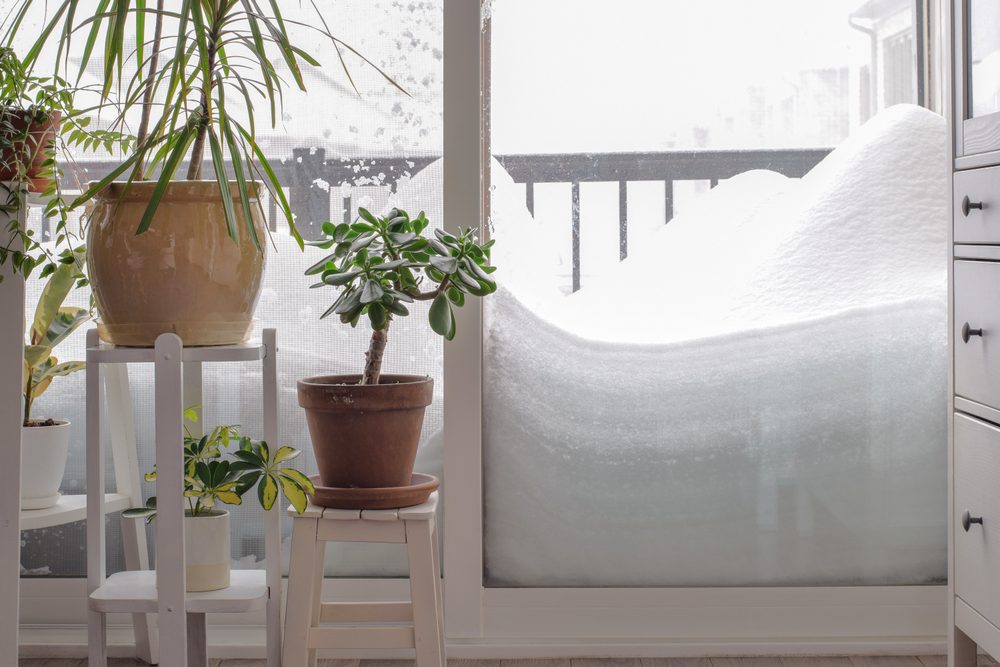
Winter in Chicagoland can be especially rough on your indoor plants. With fewer hours of daylight, cooler window zones, and dry furnace heat pumping through the house, your leafy friends are dealing with a lot more than meets the eye.
Many houseplants naturally slow their growth in the colder months. It’s their way of adapting to the season, even indoors. But that also means they become more sensitive to overwatering, light changes, and dry air.
If you’ve noticed leaves turning yellow, edges going crispy, or plants looking generally tired during winter, you’re not alone. These are common signs that your plants are reacting to the seasonal shift. The good news is, by understanding what they’re up against and choosing the right winter-friendly varieties, you can keep your space full of healthy, happy greenery all season long.
Quick Summary: What Makes a Houseplant a Good Winter Choice
Why Winter Is Hard on Houseplants
Winter in Chicagoland can be especially rough on your indoor plants. With fewer hours of daylight, cooler window zones, and dry furnace heat pumping through the house, your leafy friends are dealing with a lot more than meets the eye.
Many houseplants naturally slow their growth in the colder months. It’s their way of adapting to the season, even indoors. But that also means they become more sensitive to overwatering, light changes, and dry air.
If you’ve noticed leaves turning yellow, edges going crispy, or plants looking generally tired during winter, you’re not alone. These are common signs that your plants are reacting to the seasonal shift. The good news is, by understanding what they’re up against and choosing the right winter-friendly varieties, you can keep your space full of healthy, happy greenery all season long.
Quick Summary: What Makes a Houseplant a Good Winter Choice
Tolerates Low Light
With fewer daylight hours and cloudy skies, plants that can thrive in indirect or filtered light are ideal for winter.
Adaptable to Temperature Changes
Choose plants that won’t react strongly to occasional cold drafts or warm furnace zones.
Handles Dry Indoor Air
Central heating can drop humidity levels fast. Look for plants that don’t require high moistrure to stay healthy.
Compact and Space-Friendly
Smaller plants or those with upright growth habits fit easily in cozy indoor spaces during the colder months.
Slower Growth or Winter Dormancy
Many indoor plants naturally slow down in winter, making them lower maintenance during this time.
Tough and Forgiving
Hardy plants can handle missed waterings, light changes, or drier conditions without showing stress.
Collector-Favorite Houseplants That Thrive in Winter
Winter is the perfect time to show off your standout plants. While some houseplants slow down in the colder months, others continue to thrive indoors with the right conditions. If you’re a collector or someone who enjoys a more curated indoor plant setup, these favorites bring personality and color to your space when the outdoors is anything but green.
Alocasia Frydek Variegated
This eye-catching plant features velvety dark leaves with bright, white variegation. It prefers bright, indirect light and appreciates higher humidity, especially during the dry indoor season. With a pebble tray or humidifier nearby, it can stay happy all winter.
Aglaonema Pictum Tricolo
Known for its camouflage-style foliage, this rare Aglaonema is a favorite among collectors. It adapts well to steady indoor conditions and tolerates lower light better than many tropicals. Just keep it warm and away from drafts.
Blue Oil Fern
This unique fern shines with a blue-green shimmer under the right lighting. It loves humidity and lower light settings, making it perfect for terrariums or cozy corners away from direct sun. Its exotic look makes it a standout among more common ferns.
Butterwort (Carnivorous)
This compact carnivorous plant adds a quirky touch to your collection. It does best with consistent moisture and bright, indirect light. While it’s a bit more specific in its needs, it rewards the effort by helping control fungus gnats and offering unusual charm.
ZZ Plant or Snake Plant
These tried-and-true favorites balance out a collection filled with fussier plants. Both thrive on neglect, tolerate dry air, and do well in low light. They’re reliable, sculptural, and perfect for those times when you want something easy but still beautiful.
Easy-Care Houseplants Perfect for Winter
Not every plant parent has time for high-maintenance care routines, especially when winter throws curveballs like dry heat, shorter days, and chilly windowsills. Luckily, there are plenty of indoor plants that are naturally low-maintenance and perfectly suited to winter conditions in Chicagoland homes.
These easy-care houseplants are ideal for beginners or anyone who wants greenery without the stress.
Pothos (Epipremnum aureum)
Pothos is a classic for a reason. It thrives in low to medium light and doesn’t mind if you forget to water it now and then. With trailing vines and leaf varieties like golden, marble queen, and neon, it’s a fast favorite for shelves and hanging baskets.
Peace Lily (Spathiphyllum)
Known for its graceful white blooms and glossy leaves, the peace lily is both elegant and forgiving. It lets you know when it’s thirsty by gently drooping and bouncing back quickly after watering. It also helps filter indoor air, which is a bonus during the closed-window season.
Spider Plant (Chlorophytum comosum)
This adaptable plant tolerates a wide range of light and is easy to propagate thanks to its baby “spiderettes.” It’s great for hanging planters, countertops, or even office spaces. It also adds a retro vibe that fits just about any decor style.
Cast Iron Plant (Aspidistra elatior)
As its name suggests, the cast iron plant is practically indestructible. It doesn’t mind low light, dry air, or missed waterings. It’s a slow grower, but that makes it even more reliable during the quiet winter months.
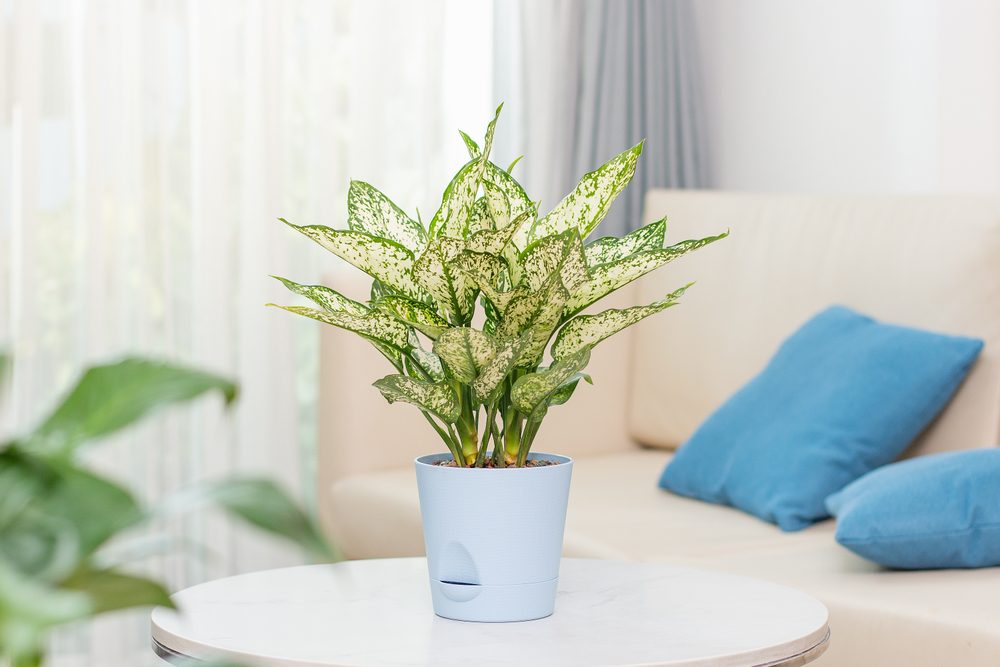
Chinese Evergreen (Aglaonema)
This colorful plant is known for its variegated foliage, which ranges from silvery greens to pinks and reds. It thrives in low light and only needs occasional watering. It’s a beautiful, no-fuss way to add warmth and life to any room during winter.
Low-Light Houseplants for Short Winter Days
When sunlight is scarce, and windows are shaded more often than not, some plants can still hold their own. These varieties are well-suited for dim corners, north-facing rooms, or spaces that don’t get much natural light during winter.
Philodendron Brasil
This vibrant, trailing plant features heart-shaped leaves with lime green and yellow striping. It handles low to medium light with ease and is quick to recover from missed waterings. Its lush growth makes it a favorite for bookshelves and hanging planters.
Dracaena Marginata
Also called the dragon tree, this plant adds height and texture with narrow, arching leaves. It adapts well to lower light conditions and needs minimal care, making it a reliable pick for less sunny spots.
Parlor Palm (Chamaedorea elegans)
A timeless indoor palm with delicate fronds that soften any room. It’s slow-growing, compact, and naturally suited for shadier locations. It’s also non-toxic, which makes it a smart choice for homes with pets.
Aglaonema ‘Silver Bay’
With silvery-green foliage and a tolerance for low light, this variety of Chinese evergreen brightens up darker spaces without demanding much attention. It’s one of the easiest indoor plants to maintain year-round.
ZZ Plant
Glossy, dark green leaves and a strong, upright shape make the ZZ plant a go-to for low-light interiors. It stores moisture in its roots and requires very little upkeep, even in the dullest months.
Winter Care Tips to Keep Indoor Plants Healthy
Cold weather and indoor heating can throw your usual plant care routine off balance. During winter, most houseplants grow more slowly, which means their needs shift too. A few small changes to your habits can make a big difference in keeping your plants happy through the season.
Water less often
With slower growth and lower light levels, your plants won’t need as much water. Let the top inch or two of soil dry out before watering, and always check soil moisture first to avoid overwatering.
Watch for drafts
Cold air from windows or doors can shock your plants, especially tropical varieties. Move pots a few inches away from chilly glass or seal drafts to protect sensitive foliage.
Clean the leaves
Dust can build up faster in winter and block already-limited light. Wipe leaves gently with a damp cloth to help your plants photosynthesize more efficiently.
Pause the fertilizer
Most houseplants rest in winter and don’t need feeding until spring. Skip the fertilizer until you see signs of new growth to avoid stressing the roots.
Rotate regularly
With light coming in at lower angles, rotating your plants helps them grow evenly. Turn pots every couple of weeks to keep them balanced and full.
These seasonal adjustments are simple but important for helping your indoor plants stay strong and resilient during the colder months.
Managing Humidity and Furnace Heat in Chicagoland
One of the biggest challenges for indoor plants during winter is the dry air caused by home heating systems. As the furnace runs, humidity levels often drop below 30 percent, which can leave your plants stressed, especially if they’re used to tropical conditions.
Here’s how to help your plants stay comfortable when the heat is on:
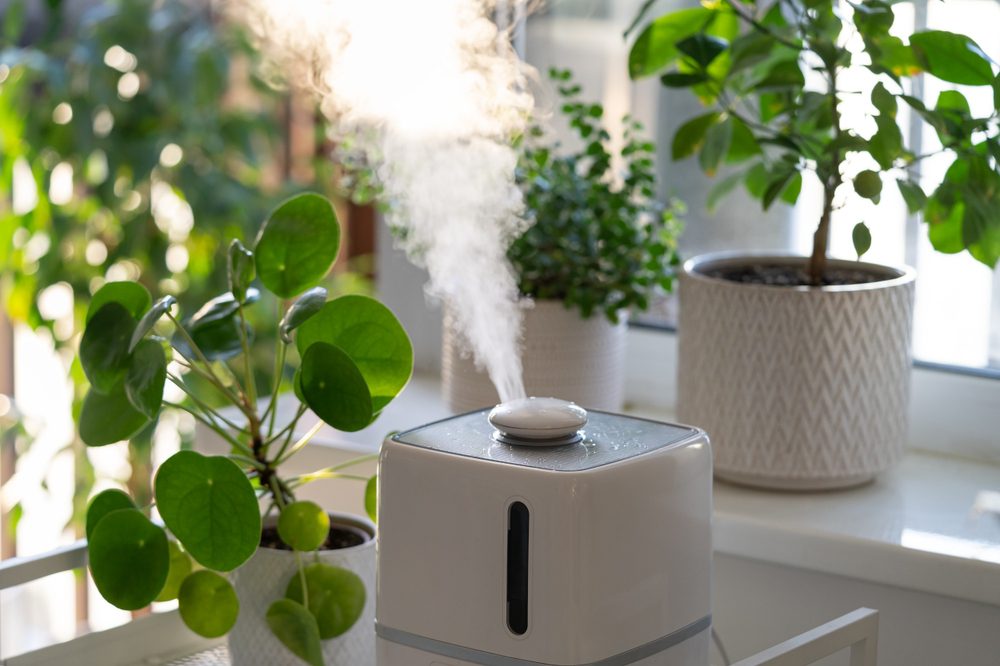
Use a humidifier
Placing a small humidifier near your plants is one of the most effective ways to boost moisture in the air. It’s especially helpful for humidity-loving plants like Calatheas, ferns, or Alocasias.
Try a pebble tray
Fill a shallow tray with pebbles and water, and place your plant pot on top (without letting the roots sit in the water). As the water evaporates, it gently increases humidity around the plant.
Group plants together
Plants release moisture through their leaves, so grouping them creates a microclimate with slightly higher humidity. This also makes it easier to mist or humidify a shared area.
Keep away from direct heat
Avoid placing plants directly next to radiators, heating vents, or space heaters. Sudden temperature spikes and hot, dry air can cause leaf tips to brown or curl.
Mist selectively
Light misting can help some plants, but it’s not a cure-all. Only mist in the morning to allow leaves to dry out and avoid encouraging mold or mildew.
Balancing humidity and warmth during winter doesn’t have to be complicated. A few simple adjustments can go a long way in supporting your indoor garden until spring.
Shop Must-Have Winter Houseplants at Platt Hill
Indoor plants bring warmth and life to your home during the coldest months of the year. At Platt Hill Nursery, you’ll find a curated selection of houseplants that are well-suited for winter. We carry easy-care staples, unique finds, and everything in between.
Visit our Bloomingdale or Carpentersville locations to explore what’s available and get expert help choosing plants that match your lighting, humidity, and care preferences. Our team is here to answer questions and guide you toward the best options for your space.
Prefer to shop from home? Check out our indoor plant collections online for seasonal updates and current availability.