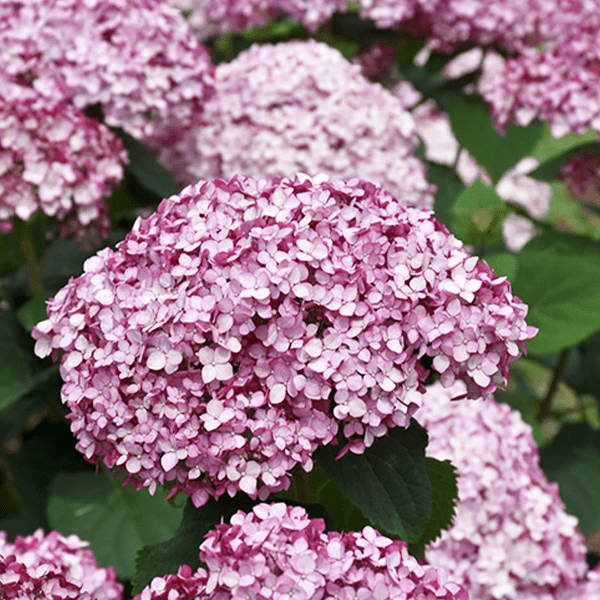
Smooth hydrangeas (Hydrangea arborescens) are some of the most dependable, easygoing flowering shrubs you can grow in Chicagoland gardens. If you’ve ever admired massive white blooms that show up every summer without a ton of fuss, chances are you were looking at a smooth hydrangea. Native to the eastern United States and exceptionally cold-hardy, these shrubs are a go-to choice for Zone 5 gardeners who want reliable blooms year after year.
Why Smooth Hydrangeas Are Reliable Bloomers
Smooth hydrangeas have earned their reputation as workhorse shrubs, and for good reason.
- They bloom on new wood, meaning flower buds form on current-season growth.
- Winter cold doesn’t affect bloom potential the way it can with bigleaf or oakleaf hydrangeas.
- They’re native plants, well-adapted to Midwest soils and weather.
- They tolerate partial shade, heavy clay, and fluctuating moisture better than many flowering shrubs.
For Zone 5 gardeners, this reliability is huge. Even after a brutal winter or an aggressive pruning session, smooth hydrangeas bounce back fast and still put on a summer show.
What Makes Hydrangea Arborescens Different
Not all hydrangeas behave the same, and understanding what makes smooth hydrangeas unique helps set realistic expectations.
Key characteristics
- Typical size: 3–5 feet tall and wide, though some cultivars can grow larger with age
- Bloom time: Early to mid-summer through early fall
- Flower color: White, blush pink, or soft pink (not affected by soil pH)
- Native range: Eastern and central U.S.
- Hardiness: USDA Zones 3–9
Unlike bigleaf hydrangeas (Hydrangea macrophylla), smooth hydrangeas don’t offer blue or purple flowers based on soil chemistry. Instead, they focus all their energy on producing large, long-lasting flower clusters that age gracefully.
They also have moderate tolerance to juglone, the chemical produced by black walnut trees. While no hydrangea loves juglone, smooth hydrangeas tend to perform better than many other ornamentals when planted near walnuts.
Planting Smooth Hydrangeas for Success
Good planting practices lay the foundation for years of healthy growth and reliable flowering.
Best time to plant
Spring and fall are both excellent planting times, since spring planting gives roots the full growing season to establish.
Fall planting works well if done early enough to allow root growth before the ground freezes.
Sunlight requirements
Smooth hydrangeas perform best in:
- Full sun to part shade
- Morning sun with afternoon shade is ideal, especially in hotter summers
Too much shade can reduce flowering, while intense afternoon sun may cause wilting without consistent moisture.
Soil preferences
Moist, well-draining soil is key. They tolerate clay soil better than most hydrangeas. They are also slightly acidic, and a neutral pH is ideal, but they’re adaptable.
When planting, amend heavy soil with compost to improve drainage and root development.
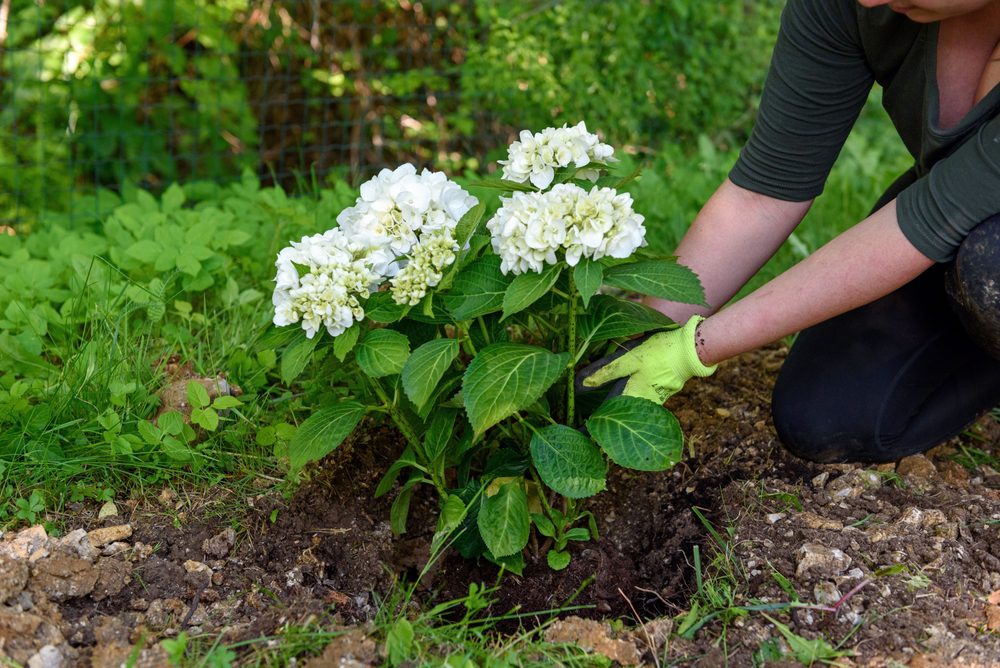
Planting steps
- Dig a hole twice as wide as the root ball
- Plant at the same depth as the nursery container
- Backfill with native soil mixed with compost
- Water deeply after planting
- Apply 2–3 inches of mulch, away from the stem
Smooth Hydrangea Care: Watering, Feeding & Mulching
Watering
- Consistent moisture is essential, especially during the first year.
- Water deeply 1–2 times per week
- Increase watering during hot, dry spells
- Avoid soggy soil, which can lead to root rot
Fertilizing
- Smooth hydrangeas are not heavy feeders.
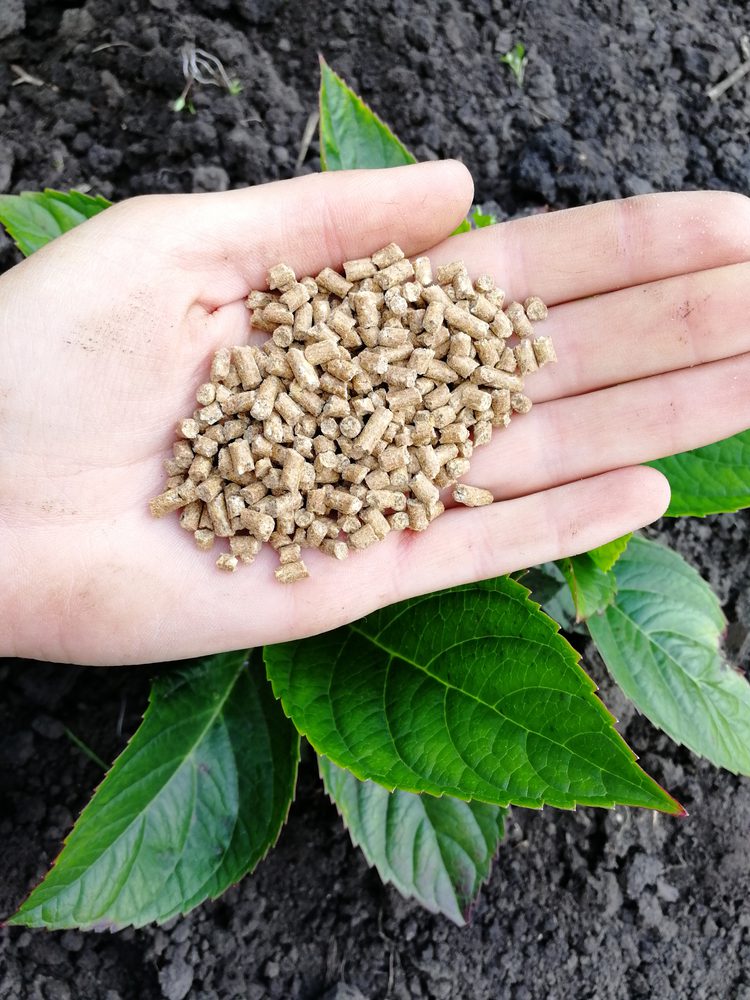
- Apply a balanced, slow-release fertilizer in spring
- Compost top-dressing works just as well
- Avoid high-nitrogen fertilizers, which promote leafy growth at the expense of blooms
Mulching
-
- Mulch helps regulate soil temperature and retain moisture.
- Use shredded bark, wood chips, or leaf compost
- Refresh mulch annually in spring
Pruning on New Wood & Seasonal Care
Understanding new wood blooms
Smooth hydrangeas bloom on new wood, meaning:
- Flower buds form on growth produced in the same year
- Winter damage does not affect bloom production
- Pruning is optional, but often beneficial
Pruning guidelines
- When: Late winter to early spring
- How much: Light pruning for a natural shape
- Cut back to 12–24 inches for larger blooms and stronger stems
Some gardeners choose not to prune at all, which is perfectly fine. Pruning mainly helps control size and improve flower structure.
Seasonal care overview
Spring
- Prune if desired
- Apply compost or fertilizer
- Refresh mulch
Summer
- Water consistently
- Enjoy blooms
- Stake plants if heavy flowers cause flopping
Fall
- Stop fertilizing
- Leave spent blooms for winter interest
Winter
- No protection needed in Zone 5
- Stems can be left standing for insulation and visual appeal
Best Smooth Varieties for Zone 5 Gardens
Modern breeding has improved flower size, stem strength, and color options.
‘Annabelle’
- Classic variety with massive white blooms
- 3–5 feet tall
- Can flop after heavy rain
‘FlowerFull’
- Dense, full blooms with excellent structure
- Compact growth habit
- Great for smaller landscapes
‘Incrediball’
- Improved version of ‘Annabelle’
- Stronger stems
- Huge, softball-sized flowers
‘Invincibelle Spirit’
- Pink-flowering smooth hydrangea
- Strong stems and reliable reblooming
- Portion of proceeds supports breast cancer research
Common Problems and Quick Fixes
Wilting during heat
Cause: Heat stress, not always lack of water
Fix: Water deeply in the morning, add mulch, provide afternoon shade
Flopping stems
Cause: Heavy blooms or too much nitrogen
Fix: Prune harder in spring, avoid overfertilizing, stake early
Few or no blooms
Cause: Too much shade or excessive nitrogen
Fix: Increase sun exposure, switch to balanced fertilizer
Yellowing leaves
Cause: Poor drainage or nutrient imbalance
Fix: Improve soil drainage, test soil, add compost
Final Thoughts on Smooth Hydrangea Care
If you’re looking for a low-maintenance, high-impact shrub for your Zone 5 garden, smooth hydrangeas are hard to beat. With their ability to bloom on new wood, tolerance for Midwest conditions, and growing list of improved cultivars, they’re one of the most forgiving hydrangeas you can plant.
Stop by Platt Hill Nursery in Carpentersville or Bloomingdale to explore our current selection of smooth hydrangeas, fertilizers, and soil amendments. Our team is always happy to help you choose the right variety and show you how to keep it thriving for years to come.