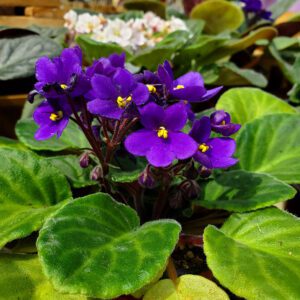
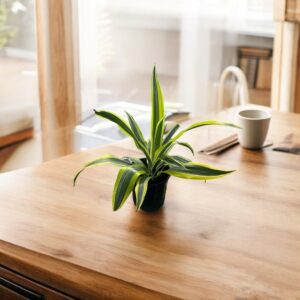
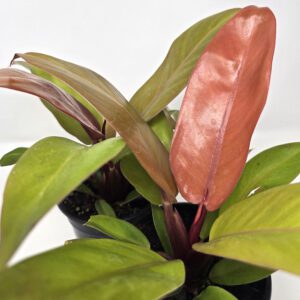

Why Winter Is Hard on Houseplants Winter in Chicagoland can be especially rough on your indoor plants. With fewer hours of daylight, cooler window zones, and dry furnace heat pumping through the...

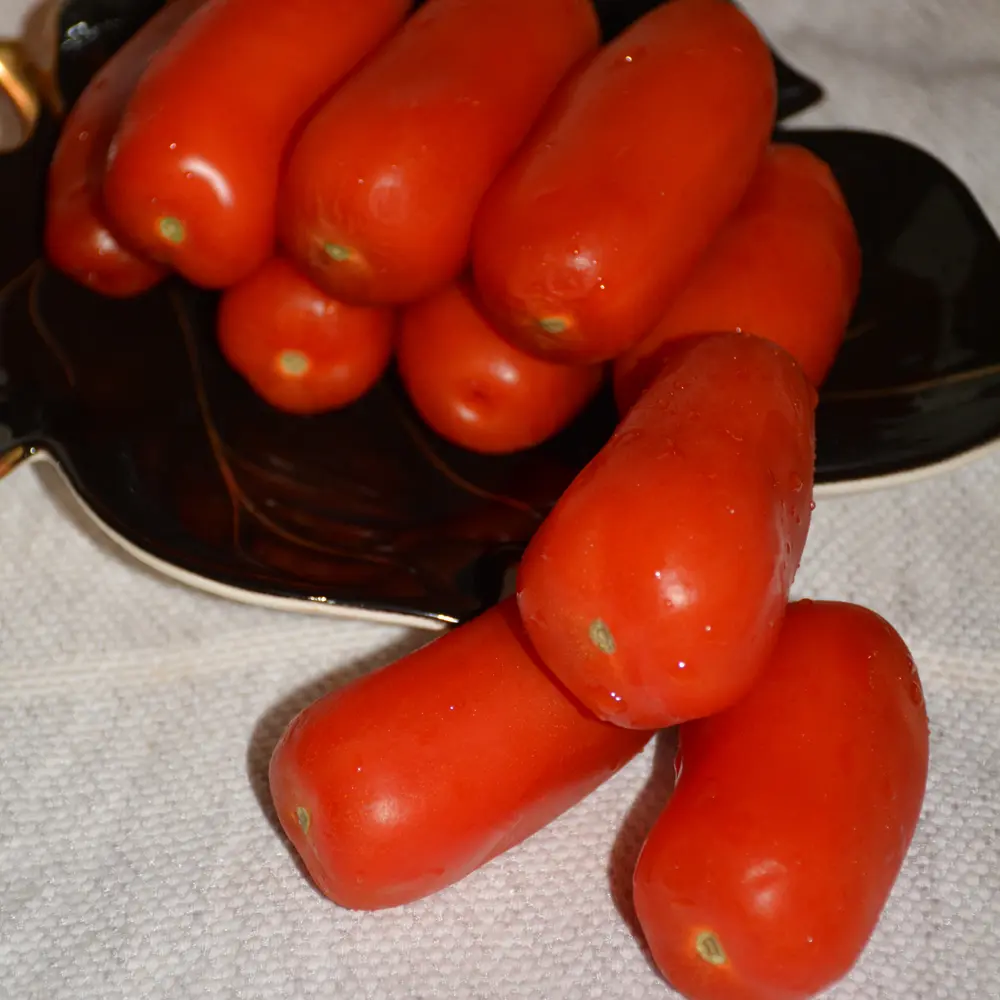
Introducing the La Roma III Tomato from Platt Hill Nursery – a well-loved variety that is perfect for patio containers and small gardens. With beautiful red fruit that is ideal for canning, sauces, puree, paste, and soups, this tomato plant is a must-have for any vegetable garden.
Unlike other varieties, La Roma III Tomato does not require staking, making it an easy and hassle-free plant to grow. It is also disease-resistant, ensuring that you will have a healthy plant that produces a bountiful harvest.
Apart from being ornamental, the La Roma III Tomato is grown for its delicious taste and firm texture. This annual vegetable plant produces red oval tomatoes with red flesh that are usually ready for picking from early summer to early fall.
The tomatoes can be enjoyed fresh, eaten when cooked or prepared, used in cooking, juice-making, or canned. With the La Roma III Tomato, the possibilities are endless.
Planted in rows, individual La Roma III Tomato plants should be spaced approximately 3 feet apart. When fully matured, the plant will grow to be about 3 feet tall with a spread of 18 inches.
Get your hands on the La Roma III Tomato from Platt Hill Nursery today and enjoy the taste of fresh, homegrown tomatoes all season long!
Visit our Bloomingdale, IL or Carpentersville, IL stores for local pickup!
More for You
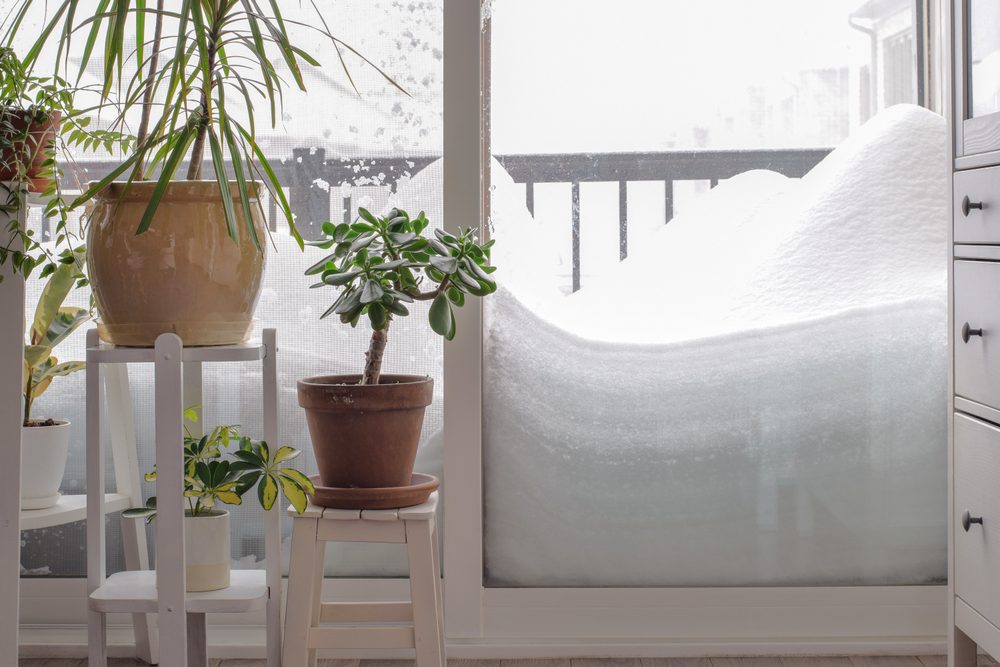
Why Winter Is Hard on Houseplants Winter in Chicagoland can be especially rough on your indoor plants. With fewer hours of daylight, cooler window zones, and dry furnace heat pumping through the...
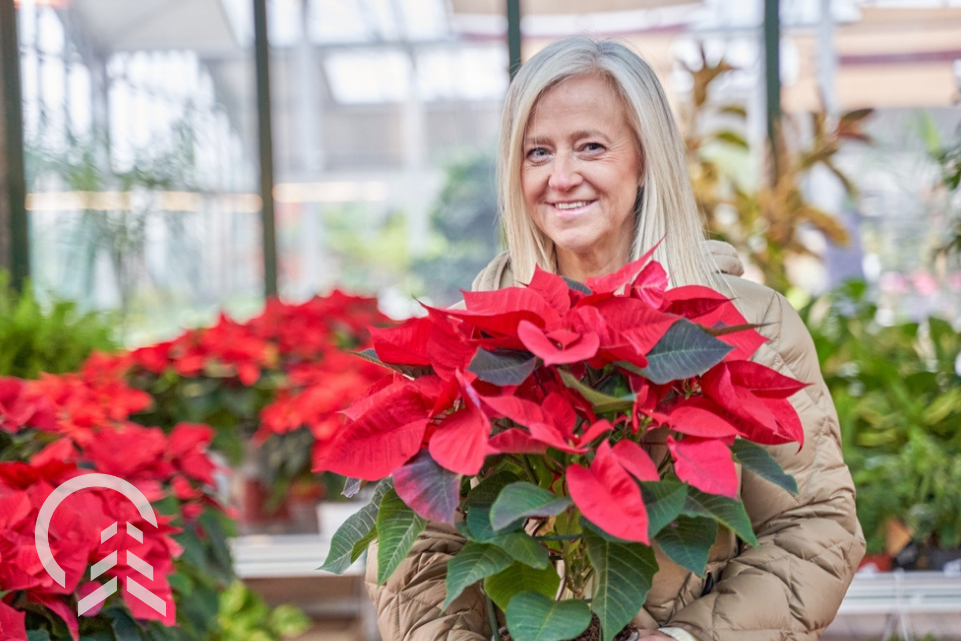
As the season turns to winter, neighborhoods across Chicagoland start to change. Lawns rest, the sky begins to pale, and homes start their preparations for some of the most magical times of the...
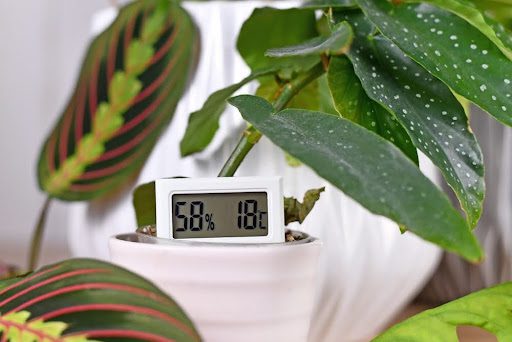
Dry air can be tough on houseplants, especially during winter when heaters are running and moisture levels drop indoors. Many tropical plants, like ferns, orchids, and calatheas, naturally grow in...