

Learn how to plan a landscape project in the right order, from design to hardscape to planting, with seasonal timing tips for Chicagoland and Rockford yards.

$27.99
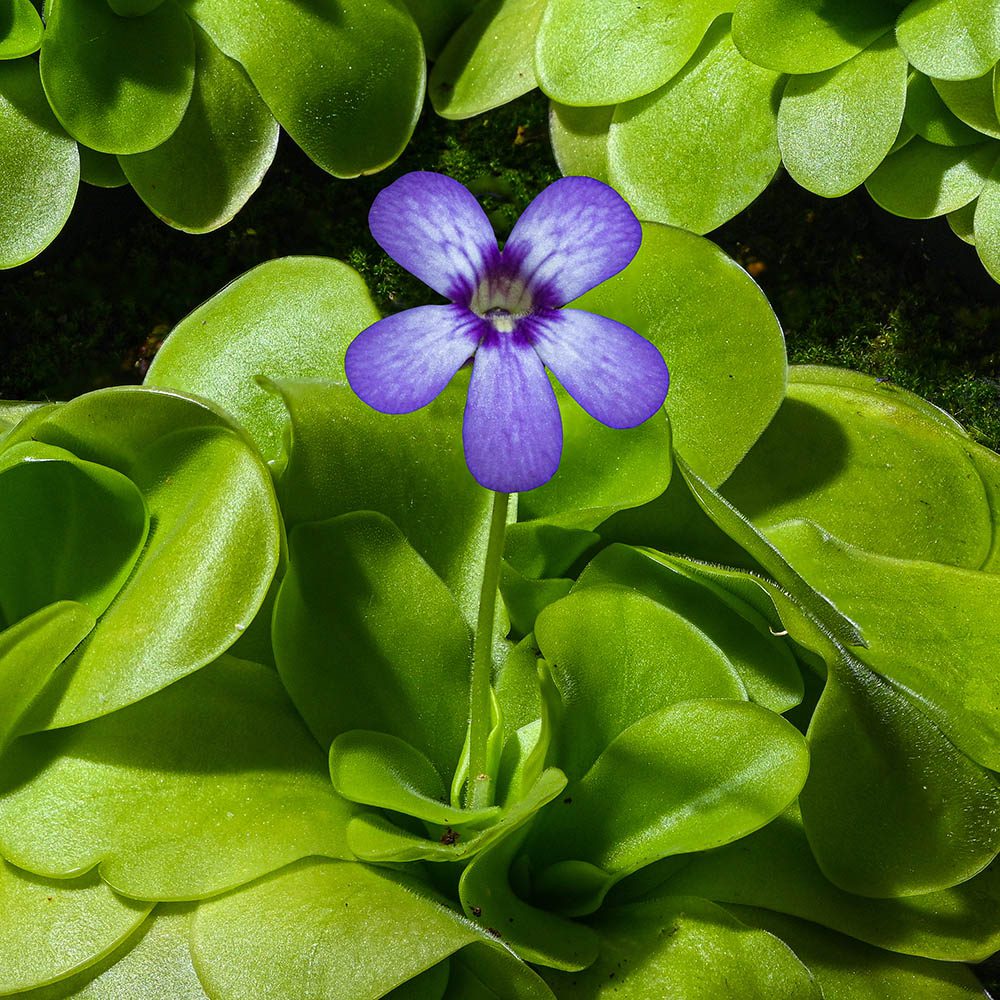
Butterwort
(Pinguicula spp.)
Add a fascinating and functional plant to your collection with Butterwort, a carnivorous houseplant known for its soft, sticky leaves that naturally trap small insects. Unlike more aggressive carnivorous plants, Butterwort features delicate rosettes and subtle blooms, making it both an effective pest solution and an attractive indoor plant.
Butterwort thrives in bright indoor spaces and rewards attentive care with unique foliage and occasional flowers. It is an excellent choice for plant enthusiasts looking to explore carnivorous plants while maintaining a manageable care routine.
Whether you’re managing indoor pests or adding a truly unique plant to your collection, Butterwort (Carnivorous) offers both beauty and function. With proper care, it becomes a captivating addition that brings nature’s ingenuity right into your home.
Visit our Bloomingdale, IL, Carpentersville, IL or Rockford, IL stores for local pickup!
Out of stock
More for You
Learn how to plan a landscape project in the right order, from design to hardscape to planting, with seasonal timing tips for Chicagoland and Rockford yards.
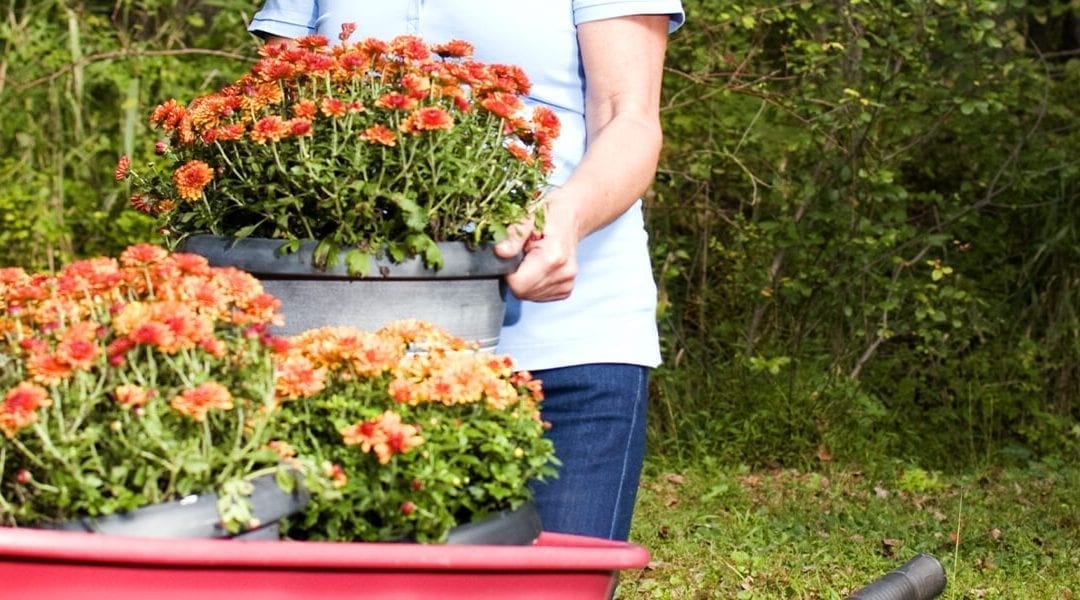
Fall containers fading by October? Get zone 5 plant picks, designer planter recipes, and overwintering tips built for Northern Illinois from Platt Hill.
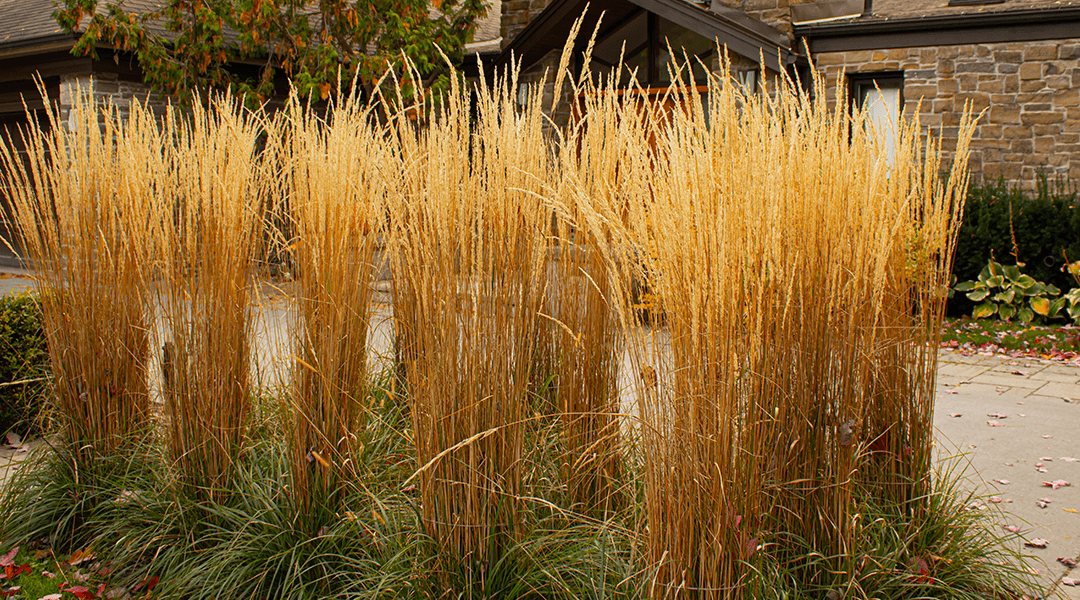
Few plants do as much work for as little effort as ornamental grasses. They bring movement, texture, and height to a garden, they hold their good looks from summer straight through winter, and once...