
If your houseplants have just been hanging on all winter long, spring is their moment to wake up. As new growth starts to push through, plants begin asking for more room, more nutrients, and better conditions.
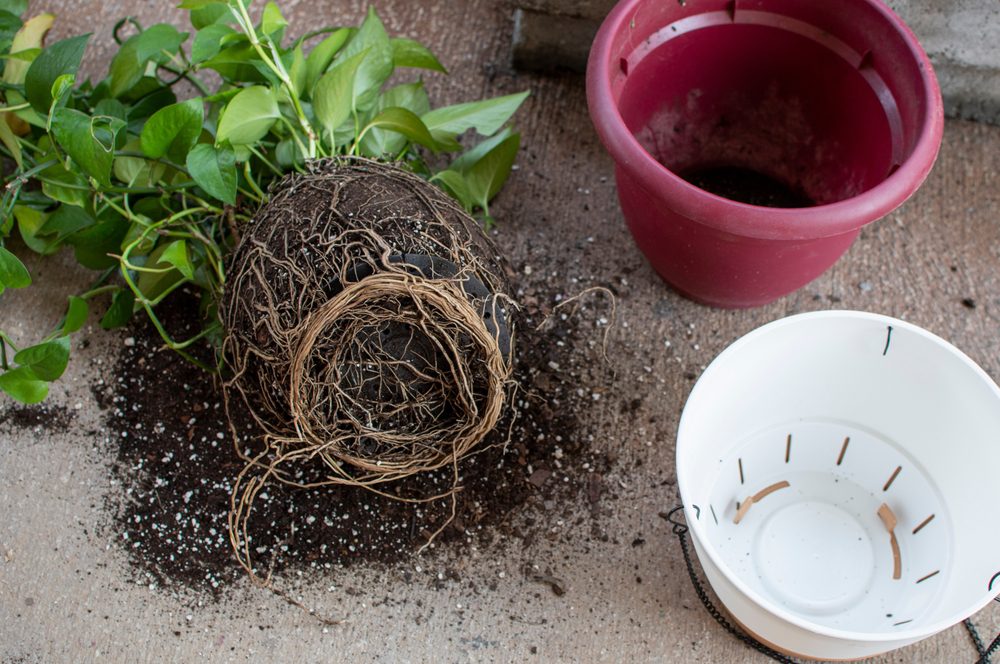
Repotting in spring gives them that reset. Fresh soil improves drainage and nutrient access, while a larger container opens space for roots to expand and support stronger growth above the surface. It’s also the right moment to check for root-bound plants, where roots have filled the pot and begun circling in tight patterns, limiting water flow and slowing development.
Around Chicagoland, late March through early April is what we like to call the “repotting window.” Light levels are increasing, indoor plants are starting to grow again, and they’re much better equipped to handle a change in their environment.
The Spring Wake-Up: Why Early Spring is the Best Time to Repot
After months of low light and slower growth, your houseplants are just starting to stretch again in early spring. Repotting during this window gives them a fresh start right before their most active growing period.
Here’s why timing matters:
- Plants recover faster when they’re actively growing
- Fresh soil provides new nutrients right when they need it most
- Roots establish quickly in their new container before summer stress hits
In the Chicago area, where winter light is limited, many houseplants go semi-dormant. By mid-spring (think March or April), longer days signal it’s time to wake up, and that makes it the perfect moment to step in and help.
Fast growers especially benefit from this timing. A Monstera deliciosa, for example, can quickly outgrow its container and will absolutely take advantage of a fresh soil upgrade in spring.
5 Signs Your Houseplant is Root-Bound and Struggling
Not every plant needs repotting every year, but many will give you clear signs when they’re ready. Knowing how to tell if a plant is root-bound is key to keeping your indoor jungle healthy.
Here’s what to watch for:
1. Roots Are Coming Out of the Drainage Holes
Flip the pot over. If you see roots poking out from the bottom, your plant has run out of space.
2. Water Runs Straight Through the Pot
If water drains immediately without soaking in, it’s often because roots have taken over and pushed out most of the soil.
3. The Plant Is Pushing Itself Up
You might notice the plant lifting or tilting out of the pot. This means that the roots are literally forcing it upward.
4. Growth Has Slowed (Despite Good Care)
If your plant isn’t putting out new leaves during spring, cramped roots could be the issue.
5. You Can See a Dense Root Circle
Slide the plant out of its pot. If the roots are tightly wrapped in a circle, it’s officially root-bound.
A plant like the Snake Plant tends to outgrow its container over time. Its upright, structured growth makes it easy to notice when it’s pressing against the edges of its pot or becoming crowded beneath the soil.
Choosing the Right Home: Pot Sizes, Materials, and Drainage
Once you know your plant needs more space, the next step is choosing the right upgrade.
Go One Size Up (Not Three)
A common mistake is jumping to a much larger pot. Instead, increase the diameter by about 1–2 inches. Too much extra soil can hold excess moisture and lead to root rot.
Don’t Skip Drainage
Always choose a pot with drainage holes. No exceptions. Standing water is one of the fastest ways to kill a healthy plant.
Pick the Right Material
- Plastic pots retain moisture longer (these are great for tropicals)
- Terracotta pots dry out faster, which makes them perfect for succulents and snake plants
- Ceramic pots offer style and stability (just make sure they drain!)
Use the Best Soil for Indoor Plants
Not all potting soil is created equal. Match your soil to your plant:
- General houseplants: all-purpose indoor potting mix
- Aroids (like Monstera): chunky mix with bark and perlite
- Ferns: moisture-retentive blends
- Epiphytes (like staghorn ferns): bark-based or mounting setups
Some plants don’t even want traditional soil. Staghorn ferns and Bird’s Nest ferns often prefer bark mixes or mounting boards instead of standard pots.
And remember, some plants actually like being a little snug. The Aglaonema Chinese Evergreen, for example, doesn’t need frequent repotting and can thrive slightly root-bound.
Step-by-Step: How to Repot Without Stressing Your Plant
If you’ve been putting this off because you’re worried about damaging your plant, don’t. Repotting is simple when you follow a few key steps.
1. Water the Plant First
A day before repotting, give your plant a good watering. This reduces stress and makes roots easier to work with.
2. Gently Remove the Plant
Turn the pot sideways and ease the plant out. Tap the sides if needed, don’t pull or yank it out of the pot.
3. Loosen the Roots
If the plant is root-bound, gently tease apart the roots with your fingers or a chopstick. You don’t need to fully untangle them, just loosen the outer layer.
4. Add Fresh Soil to the New Pot
Start with a base layer of soil so the plant sits at the right height.
5. Place and Fill
Set your plant in the new pot and fill around it with fresh soil. Don’t pack it too tightly! You just need to lightly press the soil down.
6. Water Thoroughly
Give it a deep watering to help the soil settle and eliminate air pockets.
The Aftercare: Helping Your Plant Adjust to Its New Space
After repotting, your plant may need a little time to adjust. You might see slight drooping, slower growth, or even a bit of leaf yellowing. All of this is normal.
Here’s how to support it:
- Avoid direct sunlight for a few days to reduce stress
- Hold off on fertilizing for 2–4 weeks (fresh soil already has nutrients)
- Water carefully since new soil holds moisture differently than old soil
- Watch for drooping or minor leaf drop, which can happen temporarily
Most plants bounce back quickly, especially when repotted during the spring growth cycle.
Repotting FAQs
When to repot houseplants if I missed March?
No problem. You can still repot through spring and early summer. Just avoid doing it during the dead of winter or extreme summer heat.
How often should I repot?
Most houseplants need repotting every 1–2 years. Fast growers may need it annually, while slower plants can go longer.
Do all plants need bigger pots?
Not always. Some plants, like aglaonema or snake plants, prefer tighter spaces and only need repotting when clearly root-bound.
What if I don’t want a bigger pot?
You can trim the roots slightly and refresh the soil, then return the plant to the same container.
Stock Up on Spring Essentials at Platt Hill Nursery
If you’re ready to tackle repotting houseplants in spring, having the right supplies makes all the difference. From high-quality indoor potting mixes to stylish ceramic containers, we’ve got everything you need to get started.
Stop by one of our nursery locations in Bloomingdale, Rockford, or Carpentersville to:
- Pick out the perfect pot upgrade
- Get expert advice on soil blends
- Find healthy, ready-to-grow houseplants
- Ask questions! We’re always happy to help
Spring is the season of fresh starts, for you and your plants. And once you’ve repotted a few, you’ll see just how big a difference it makes.