
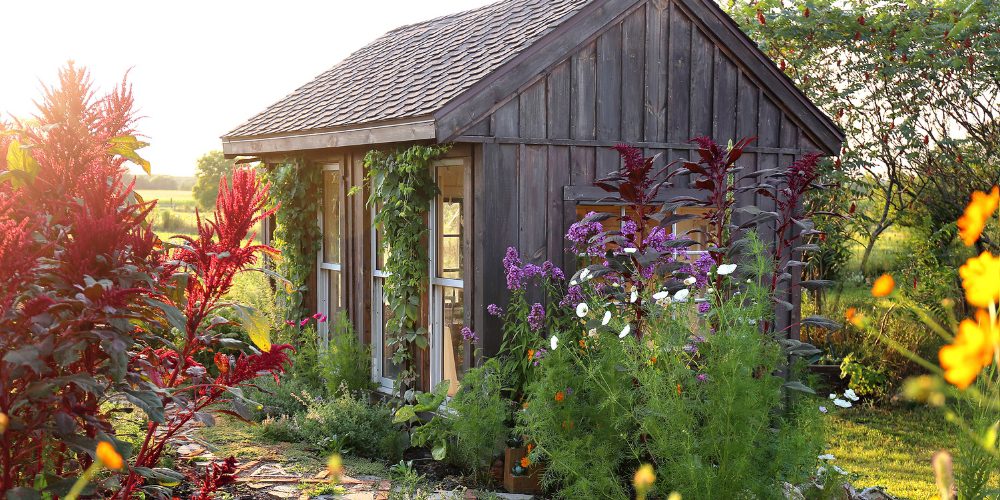
How to Create a Grandma Garden in Chicagoland & Rockford
There’s something timeless about a grandma garden.
Maybe it’s the overflowing flowers spilling across pathways, the scent of peonies and roses drifting through the air, or the feeling of stepping into a garden that feels lived in, loved, and passed down through generations.
Across Chicagoland and Rockford, grandma gardens are becoming popular again as homeowners move away from overly formal landscapes and embrace nostalgic, colorful, cottage-style gardens filled with personality and charm.
At Platt Hill Nursery, we’ve seen more Midwest gardeners looking to recreate the warmth and beauty of traditional flower gardens using classic perennials, pollinator-friendly plants, and old-fashioned blooms that thrive in Illinois landscapes.
Whether you’re starting from scratch or adding vintage charm to an existing yard, here’s how to create a beautiful grandma garden that flourishes throughout the seasons.
What Is a Grandma Garden?
A grandma garden is a nostalgic, informal garden style inspired by traditional cottage gardens and classic family landscapes.
Unlike modern minimalist landscaping, grandma gardens embrace:
- layered planting
- abundant flowers
- soft romantic colors
- winding pathways
- fragrant blooms
- pollinator-friendly plants
- and a slightly wild, natural appearance
These gardens are designed to feel welcoming, personal, and full of life.
Many grandma gardens include flowers that have been passed down through generations, making them especially meaningful and emotionally connected to family memories and Midwest gardening traditions.
Why Grandma Gardens Are Trending Again
Grandma gardens are making a major comeback because homeowners are craving outdoor spaces that feel:
- comforting
- nostalgic
- natural
- colorful
- and connected to nature
The rise of cottagecore design, pollinator gardening, and relaxed outdoor living has helped fuel renewed interest in traditional flower gardens.
In Northern Illinois and Chicagoland, many gardeners are also replacing high-maintenance formal landscapes with layered perennial gardens that provide season-long beauty and support bees, butterflies, and hummingbirds.
Grandma gardens combine beauty with biodiversity — which is one reason they’ve become so popular throughout the Midwest.
Best Plants for a Midwest Grandma Garden
Choosing the right plants is one of the most important parts of creating a successful grandma garden in Illinois.
At Platt Hill Nursery, we often recommend combining classic perennials, self-seeding annuals, flowering shrubs, and climbing plants to create that full, overflowing cottage-garden appearance.
Classic Grandma Garden Perennials
These timeless flowers return year after year in Midwest gardens:
- Peonies
- Coneflowers
- Black-Eyed Susans
- Bee Balm
- Garden Phlox
- Delphinium
- Hollyhocks
- Iris
- Shasta Daisies
- Daylilies
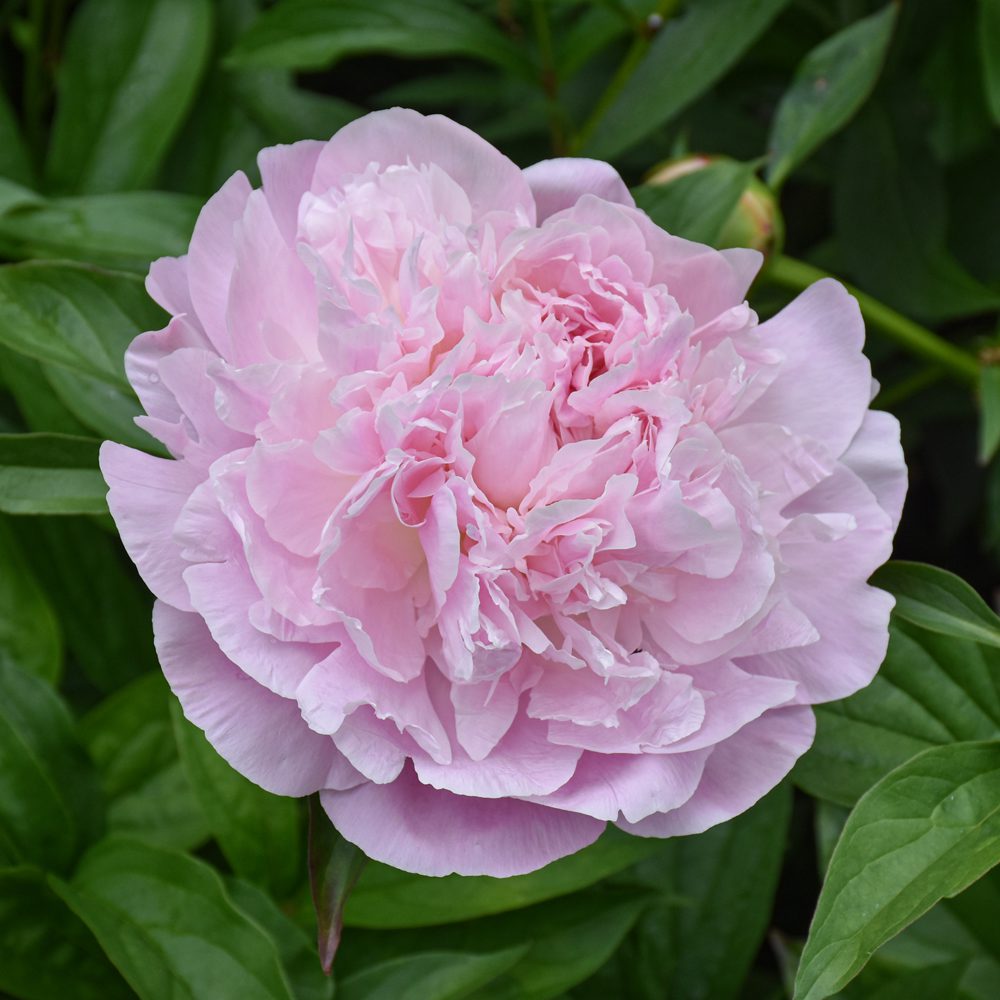
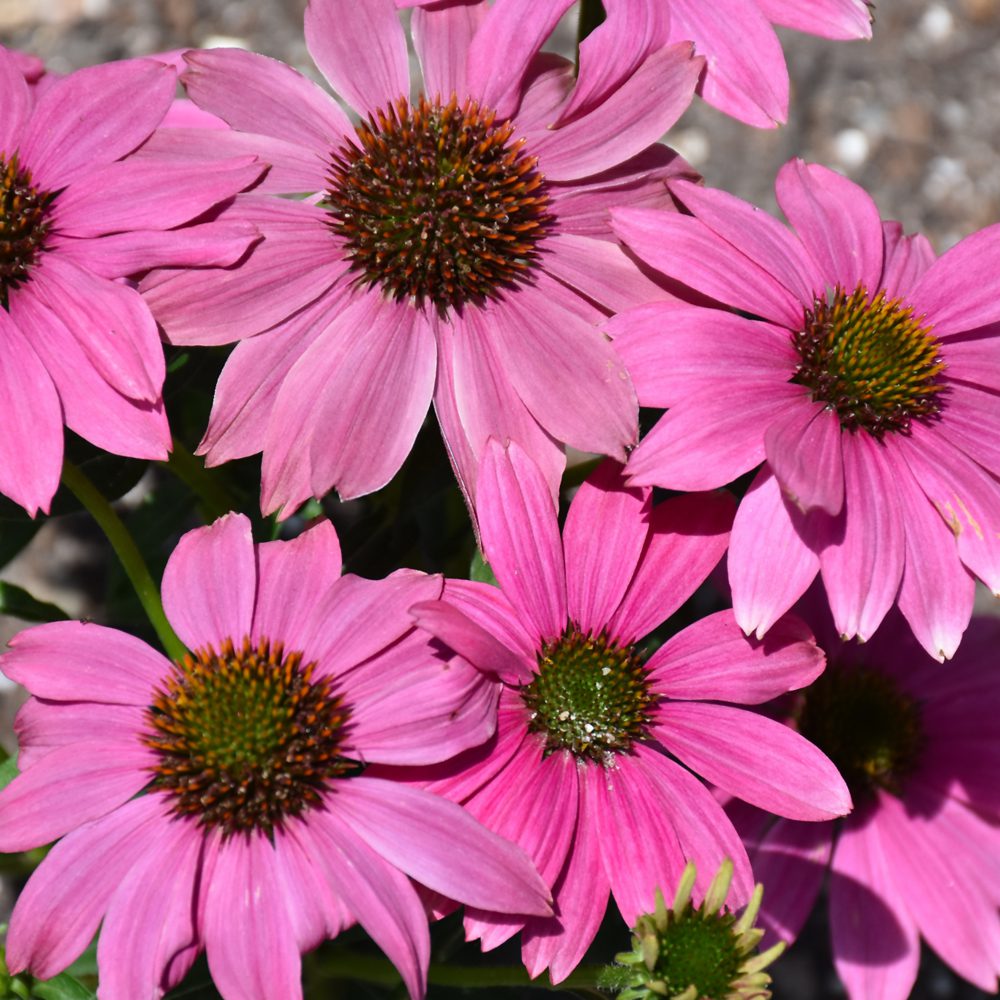
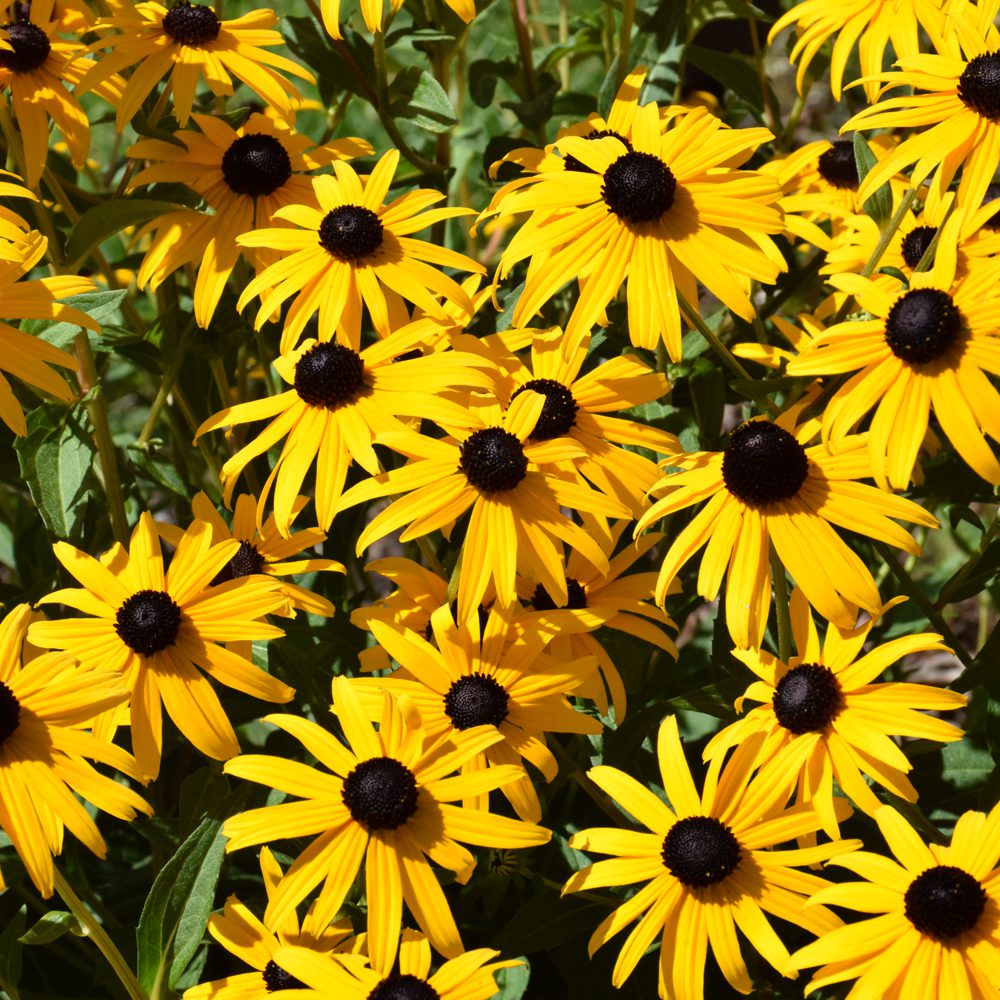
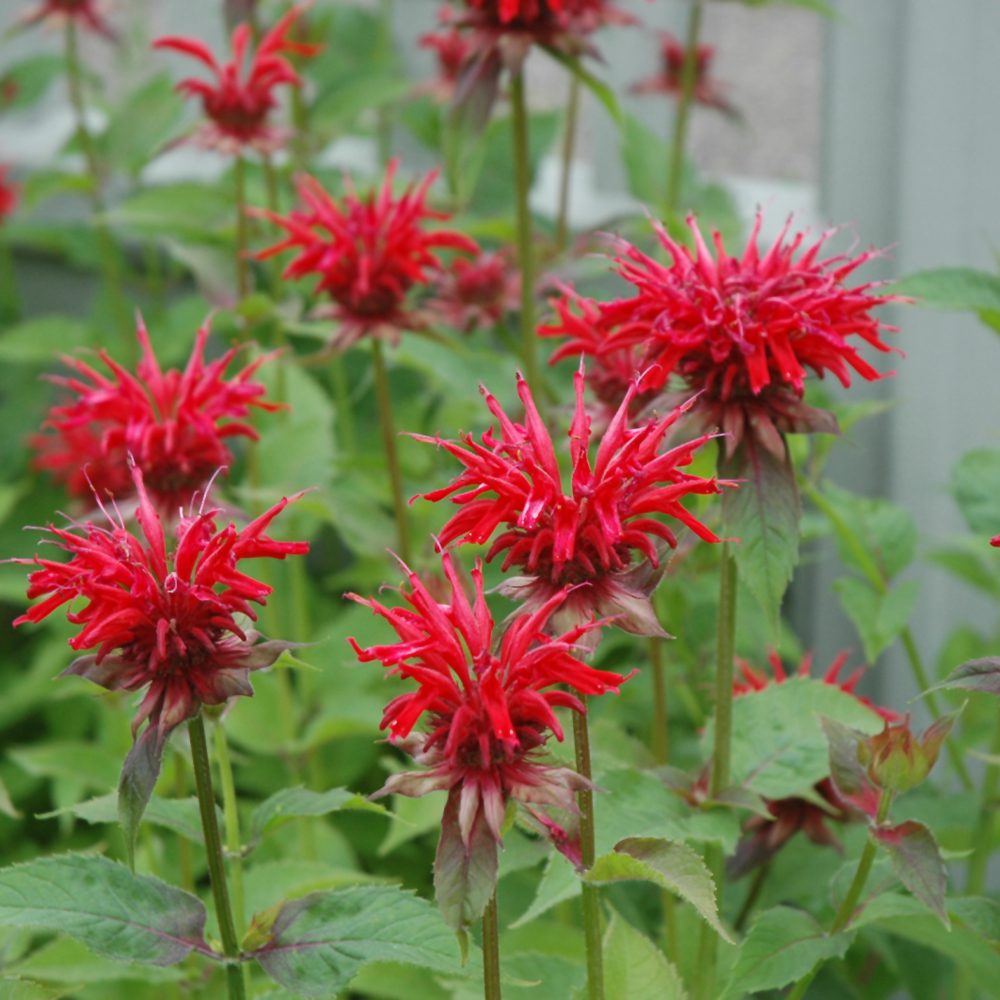
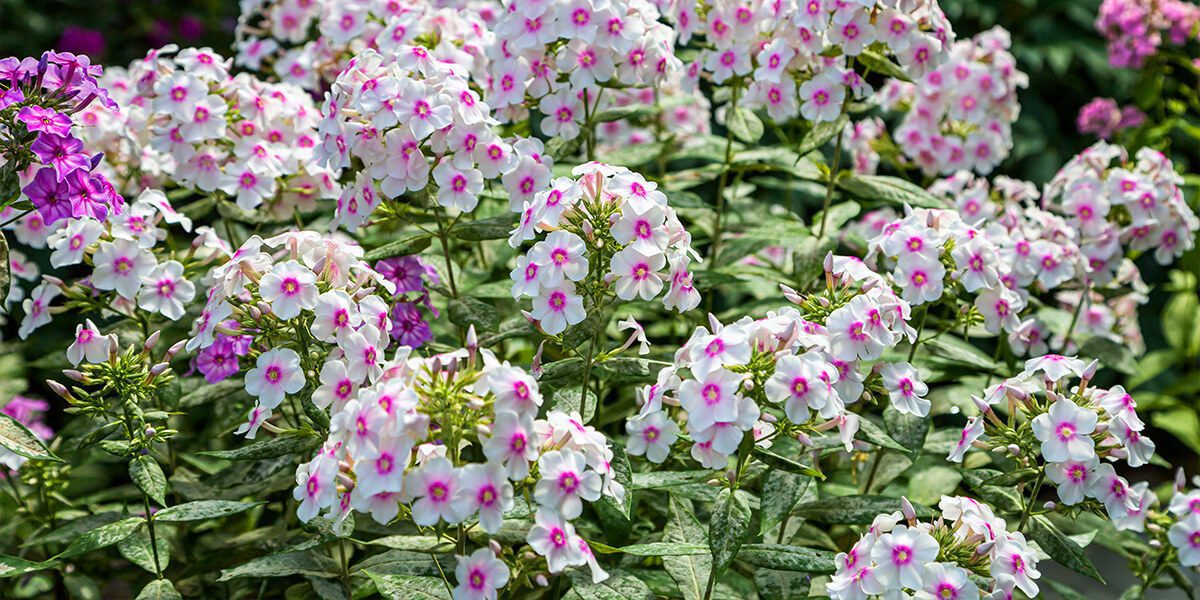
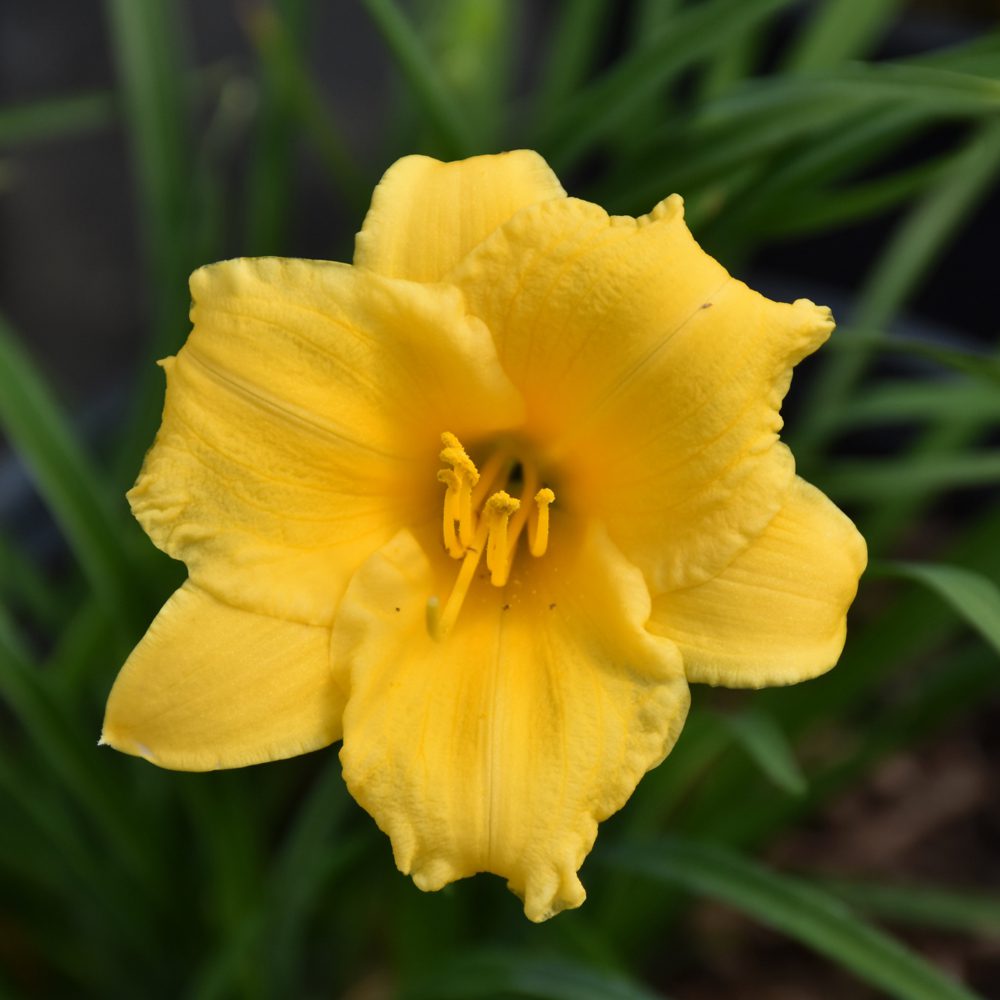
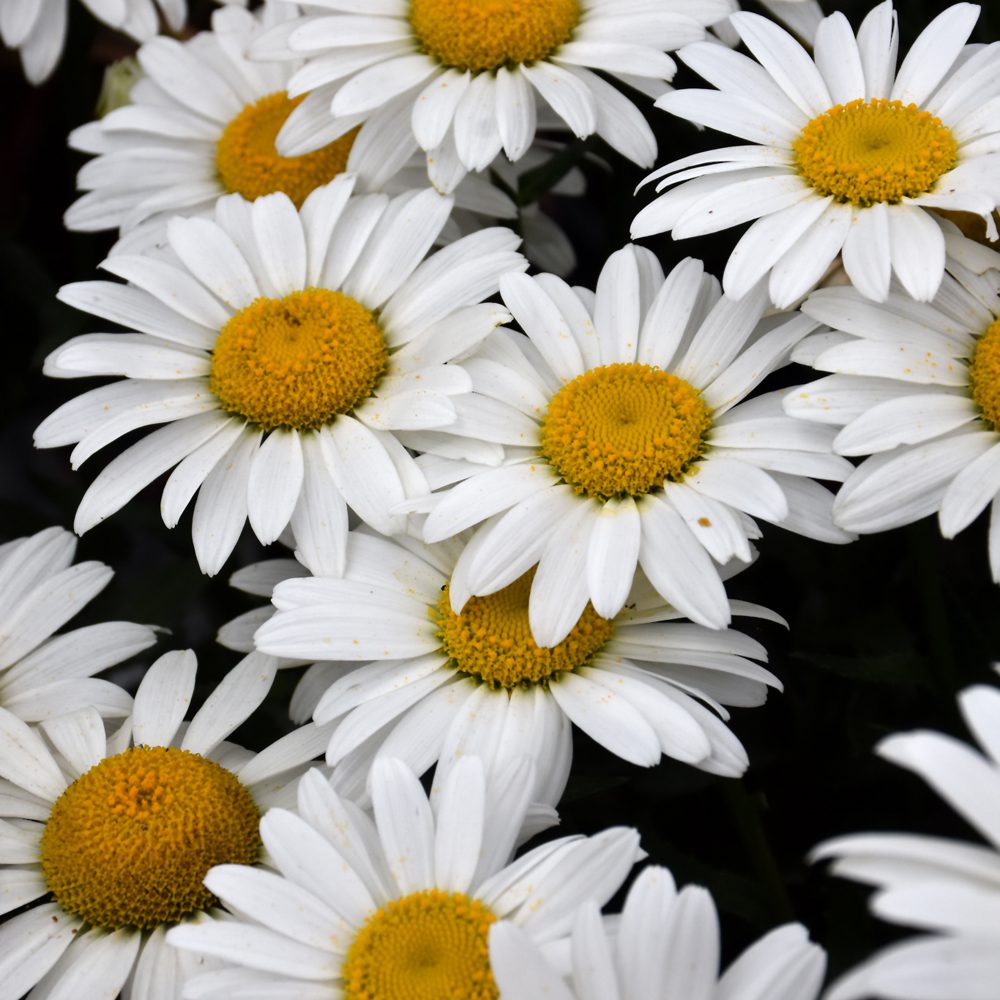
These plants add structure, fragrance, and long-lasting seasonal color.
Old-Fashioned Annual Flowers
Annuals help fill grandma gardens with continuous blooms throughout summer.
Popular choices include:
- Zinnias
- Cosmos
- Sweet Alyssum
- Snapdragons
- Petunias
- Marigolds
- Nasturtiums
Many traditional grandma garden flowers self-seed naturally, helping gardens feel organic and ever-changing from year to year.
Roses & Climbing Flowers
Nothing says “grandma garden” quite like climbing flowers spilling over fences, arbors, and trellises.
Beautiful additions include:
- Climbing Roses
- Clematis
- Morning Glories
- Sweet Peas
- Honeysuckle
Vertical layers help create the romantic, abundant feeling cottage gardens are known for.
Grandma Gardens Naturally Support Pollinators
One reason grandma gardens are so beneficial is their ability to attract pollinators.
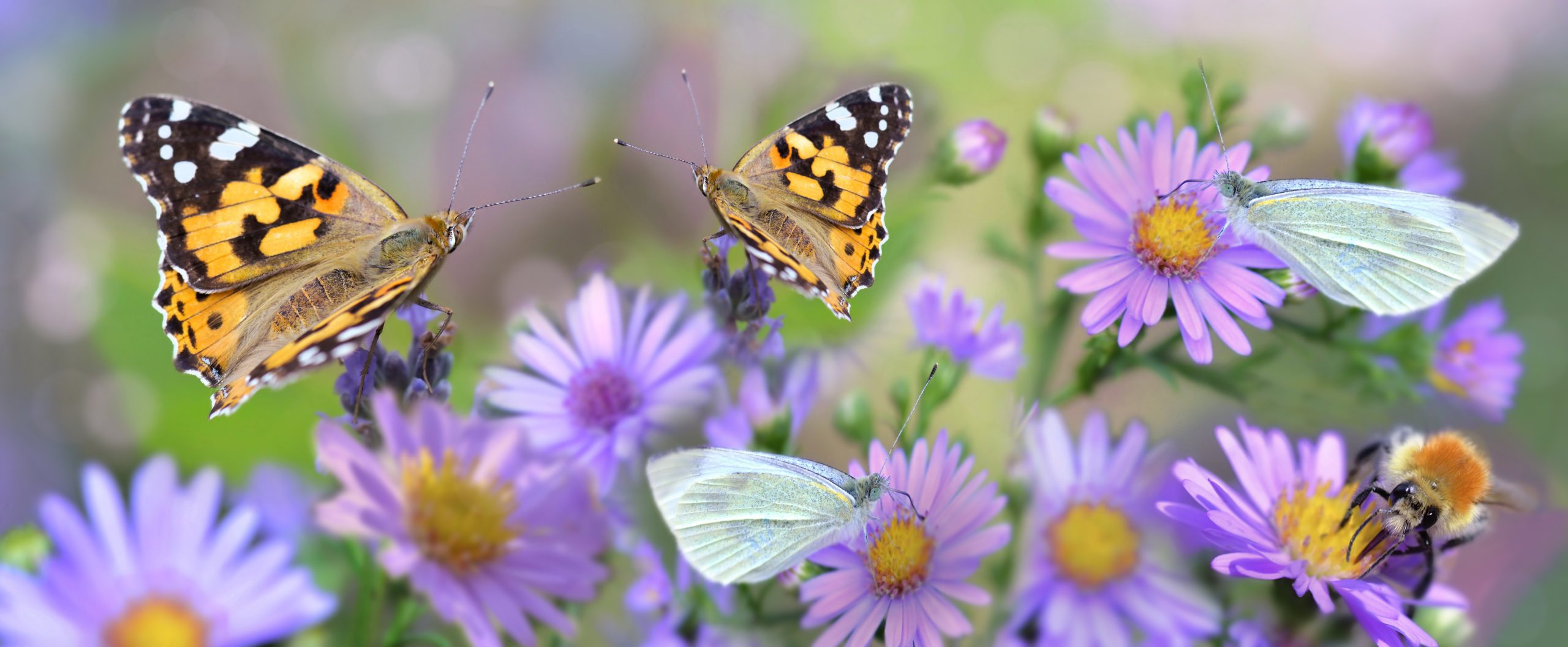
Many traditional cottage garden flowers provide nectar and habitat for:
- bees
- butterflies
- hummingbirds
- and beneficial insects
Pollinator-friendly flowers like coneflowers, bee balm, cosmos, salvia, and phlox help support healthy local ecosystems while creating a lively, colorful backyard environment.
At Platt Hill Nursery, many Midwest gardeners are intentionally blending pollinator plants into their grandma garden designs to create landscapes that are both beautiful and environmentally beneficial.
How to Design a Grandma Garden
The best grandma gardens feel collected over time rather than perfectly planned.
Instead of rigid rows and symmetry, focus on creating a soft, layered look with flowers growing naturally together.
Grandma Garden Design Tips
Plant in Layers
Place taller plants toward the back and shorter flowers near pathways and borders.
Mix Annuals & Perennials
Perennials provide structure while annuals fill in seasonal color.
Let Plants Spill Naturally
Allow flowers to self-seed and soften edges for a relaxed appearance.
Include Garden Decor
Birdbaths, vintage containers, trellises, benches, and stone pathways all add charm and personality.
Focus on Fragrance
Lilacs, roses, lavender, and peonies create the nostalgic scents many people associate with childhood gardens.
Grandma Garden Ideas for Small Yards & Patios
You don’t need a large property to create a grandma garden feel.
Even small suburban yards, patios, and porch spaces can capture the warmth of a traditional cottage garden.
Small-Space Grandma Garden Ideas
- Use overflowing container gardens
- Add climbing flowers to trellises
- Plant layered flower beds along fences
- Mix herbs with flowering plants
- Use vintage pottery and garden décor
- Create cozy seating areas surrounded by blooms
Container gardens filled with romantic flowers can bring grandma garden charm even to smaller outdoor spaces.
Quick Tips for Creating a Grandma Garden
- Choose nostalgic, old-fashioned flowers
- Mix textures, colors, and bloom times
- Plant densely for a lush appearance
- Include pollinator-friendly plants
- Add pathways, benches, or arbors
- Allow gardens to feel slightly natural and relaxed
- Combine annuals and perennials for season-long color
Grandma Gardens Bring Beauty & Memories Together
The most beautiful grandma gardens are never truly finished.
They grow, evolve, and become part of family traditions over time — filled with flowers, memories, and moments shared outdoors season after season.
Whether you’re recreating a childhood memory, planting your first cottage garden, or simply adding more color and pollinator-friendly plants to your landscape, grandma gardens create outdoor spaces that feel personal, welcoming, and timeless.
At Platt Hill Nursery, we’re proud to help Chicagoland and Rockford gardeners create beautiful Midwest gardens filled with classic flowers, seasonal color, and inspiration for every generation.
Visit us for grandma garden plants, perennials, annuals, roses, pollinator flowers, pottery, and expert gardening advice designed specifically for Illinois landscapes.
FAQ: Grandma Gardens in Illinois
What is a grandma garden?
A grandma garden is a nostalgic cottage-style flower garden filled with colorful blooms, layered planting, pollinator-friendly flowers, and traditional garden charm.
What flowers belong in a grandma garden?
Popular grandma garden flowers include peonies, roses, hollyhocks, cosmos, phlox, coneflowers, iris, bee balm, daisies, and sweet alyssum.
Do grandma gardens work in Illinois?
Yes. Many classic grandma garden plants thrive in Northern Illinois and Midwest climates, especially hardy perennials adapted to seasonal weather conditions.
Are grandma gardens good for pollinators?
Absolutely. Grandma gardens often contain nectar-rich flowers that attract bees, butterflies, hummingbirds, and other beneficial pollinators.
Can I create a grandma garden in a small yard?
Yes. Even patios, porches, and small suburban yards can capture the look and feel of a grandma garden using containers, climbing flowers, and layered plantings.
What’s the difference between a grandma garden and a cottage garden?
The terms are very similar. Grandma gardens often emphasize nostalgia, family traditions, and heirloom flowers, while cottage gardens focus more broadly on informal, overflowing flower designs.