
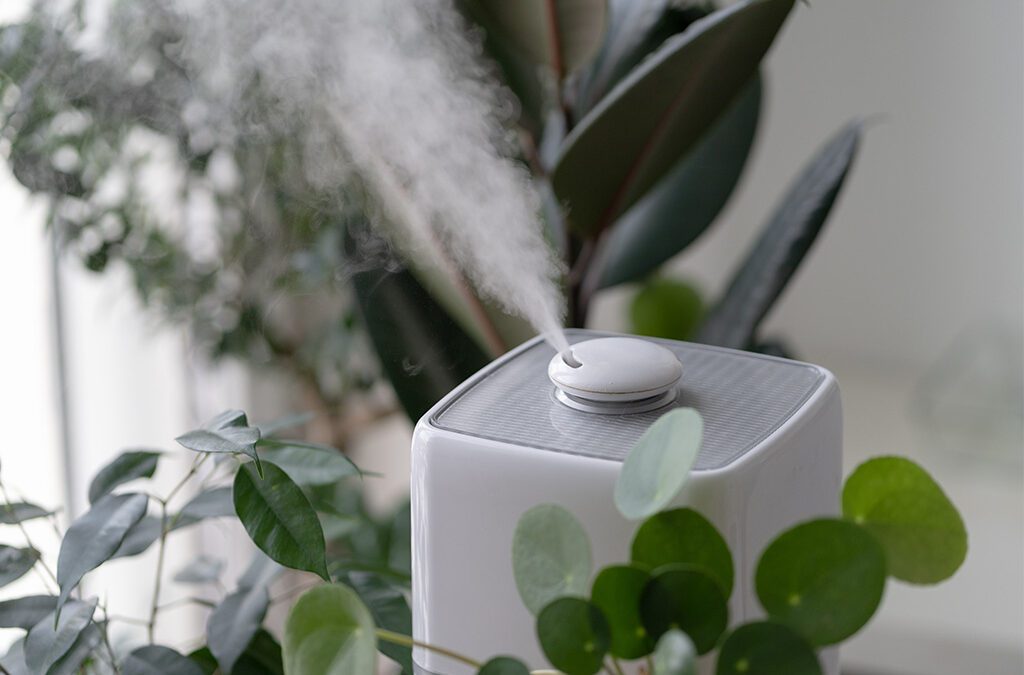
If you haven’t noticed by now, winters are hard in Chicagoland, the air inside most homes feels noticeably different. Skin tightens, static electricity shows up everywhere, and houseplants (especially the tropical ones) start looking a little tired. Leaves lose their sheen. Tips brown. Growth slows, even when watering hasn’t changed. None of this is accidental.
Chicago winters create some of the driest indoor air conditions of the year. Cold outdoor air holds very little moisture, and once it’s heated indoors, relative humidity often drops below 30%. For people, that’s uncomfortable. For houseplants, it’s stressful. Low humidity forces plants to lose moisture through their leaves faster than their roots can replace it, weakening them and opening the door to pests and disease.
In short, boosting indoor humidity is one of the most important (and most overlooked) steps in keeping houseplants healthy during Chicago winters.
Why Indoor Humidity Drops During Chicago Winters
Cold outdoor air combined with indoor heating drastically reduces humidity levels inside homes. This humidity drop creates dry conditions that stress both people and houseplants.
Chicago’s Cold Climate and Dry Winter Air
Cold air simply can’t hold as much moisture as warm air. When Chicago temperatures dip below freezing (as they often do for weeks at a time), the outside air contains very little water vapor. Once that air is pulled indoors and heated, its relative humidity drops even further.
In many Chicagoland homes, indoor humidity during winter hovers between 20–30%, well below the 40–60% range most houseplants prefer. This is a common complaint in homes in Zone 5, and one that simply needs to be adjusted for seasonally.
How Furnaces, Radiators, and Space Heaters Dry Out the Air
Forced-air heating systems are especially drying. As warm air circulates through vents, it continuously replaces moist indoor air with drier air pulled from outside. Radiant heat systems tend to be slightly less aggressive, but they still raise temperatures without adding moisture.
Portable space heaters can make the problem worse by overheating small areas while further reducing humidity.
Why Winter Windows Make Humidity Loss Worse
Even well-insulated windows allow some heat transfer. Drafts, temperature swings, and condensation around window frames all contribute to moisture loss. South-facing windows can intensify the issue, since plants get warmth and light during the day, then experience sharp temperature drops at night, stressing both leaves and roots.
How Low Humidity Affects Indoor Plants
Dry air causes moisture loss through leaves faster than roots can replace it. This imbalance leads to dehydration, stress, and visible leaf damage over time.
Increased Transpiration and Plant Stress
Plants lose water through tiny pores in their leaves in a process called transpiration. In dry air, this process speeds up. During winter, roots absorb water more slowly due to cooler soil temperatures and reduced growth, creating an imbalance.
This stress often builds gradually, which is why winter plant problems can feel sudden even though conditions have been off for weeks.
Leaf Damage and Slowed Growth
The most common symptoms show up at the leaf edges and tips. Browning, crisping, curling, and drooping are all signs the plant can’t keep up with moisture loss. Growth slows or stops entirely as the plant shifts into survival mode.
Increased Pest Problems in Dry Conditions
Spider mites thrive in dry environments. Stressed plants are easier targets, and low humidity gives pests ideal breeding conditions. Many winter infestations start not because plants were “dirty,” but because the air was too dry.
Signs Your Houseplants Need More Humidity
Visible leaf damage and slowed growth are the earliest indicators. These early warning signs help you catch humidity issues before they become severe.
Common Visual Warning Signs
- Brown or crispy leaf tips
- Yellowing leaves without soggy soil
- Wilting even when watering is consistent
These symptoms often appear first on newer growth or thinner leaves.
Plants That Show Humidity Stress First
Some plants are simply less forgiving in winter air:
- Calatheas
- Ferns
- Orchids
- Fiddle Leaf Figs
They tend to signal problems early, acting like humidity “canaries.”
How to Rule Out Overwatering or Underwatering
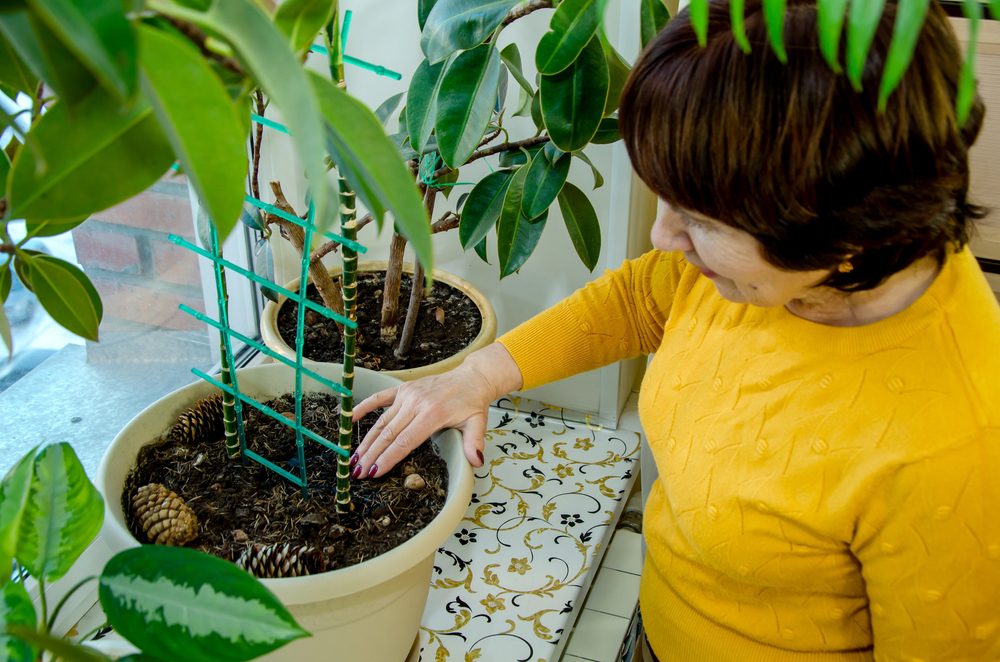
Check the soil first. If moisture levels are appropriate but leaves still look stressed, air humidity (not watering) is often the issue. Soil moisture and air moisture are separate systems, and one can be right while the other is not.
Best Ways to Increase Humidity for Indoor Plants
Combining multiple low-effort methods works better than relying on one solution.
Use a Room Humidifier (Most Effective)
Humidifiers are the most reliable way to raise humidity consistently. Aim for a 40–60% range for most houseplants. This mimics the conditions many tropical plants experience naturally.
Place Plants Near Each Other
Plants release moisture into the air as they transpire. Grouping them creates small, shared microclimates that hold humidity longer than isolated pots.
Create Pebble Trays Correctly
Fill a shallow tray with pebbles, add water just below the top of the stones, and place the pot above the water line. The evaporating moisture increases local humidity without soaking roots. Avoid letting pots sit directly in water.
Use Bathroom and Kitchen Humidity Strategically
These rooms naturally fluctuate in humidity. Plants that tolerate lower light, like ferns or pothos, often do well here, provided there’s adequate airflow and light.
Using Humidifiers Safely and Effectively
Proper placement and maintenance prevent mold, rot, and mineral buildup.
Best Types of Humidifiers for Plant Care
- Cool mist: Safe, energy-efficient, ideal for plants
- Warm mist: Adds heat but uses more energy
- Ultrasonic: Quiet but may produce mineral dust
- Evaporative: Self-regulating and low-maintenance
Where to Place Humidifiers Around Plants
Keep humidifiers close enough to raise ambient humidity, but not so close that leaves stay wet. Direct misting can encourage disease.
Cleaning and Maintenance Tips
Clean weekly to prevent bacteria and mineral buildup. Use distilled water if white dust becomes an issue.
How to Monitor Humidity Levels
A simple hygrometer removes the guesswork. Keep a humidity range, since over-humidifying can cause condensation, mold, and root issues.
Grouping Plants and Natural Humidity Boosting Methods
Plants naturally raise humidity when grouped together in shared spaces.
How Plant Grouping Works
As plants transpire, moisture accumulates in the surrounding air. Grouping increases this effect while also buffering temperature swings.
Creating Plant Zones in Your Home
- Living room clusters near bright windows
- Window groupings with similar light needs
- Bedroom zones for humidity-loving, low-light plants
Decorative Containers That Help Retain Moisture
Cache pots and glazed containers slow evaporation compared to porous terracotta, helping soil stay evenly moist longer.
Choosing Houseplants That Tolerate Dry Winter Air
Some plants adapt better to low humidity and winter conditions.
Best Low-Humidity Indoor Plants
- Snake Plant
- ZZ Plant
- Pothos
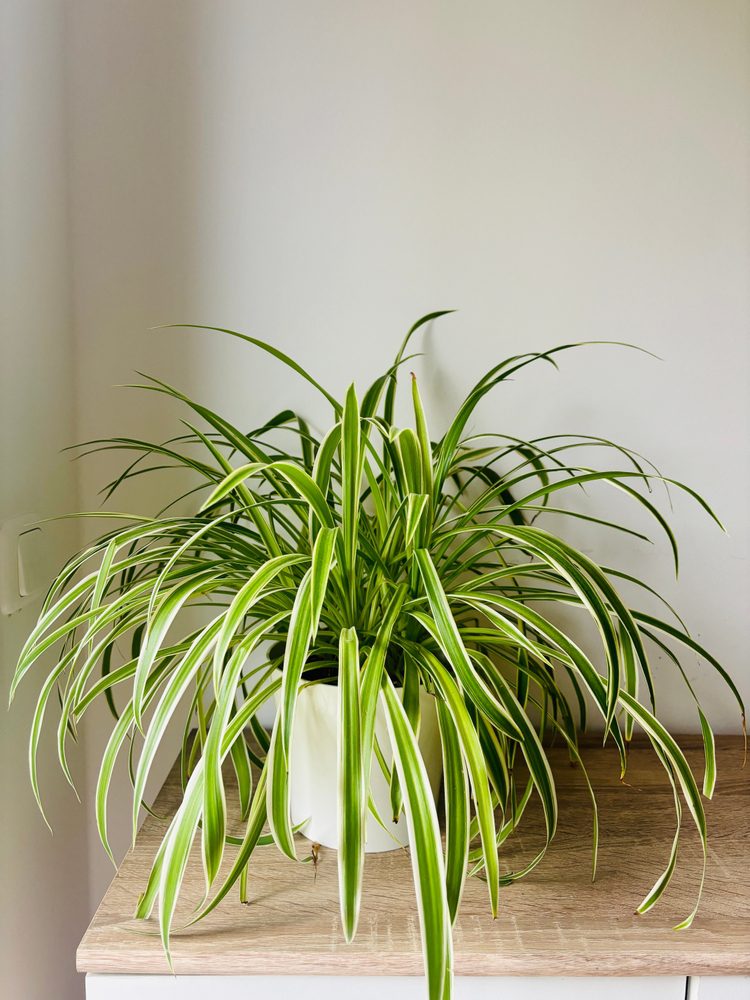
- Spider Plant
- Dracaena
Plants That Need Extra Humidity in Winter
- Calathea
- Ferns
- Alocasia
- Maranta
Mixing Easy-Care and High-Humidity Plants
Pair resilient plants with humidity-sensitive ones to stabilize microclimates and reduce winter maintenance stress.
Winter Houseplant Care Tips Beyond Humidity
Adjusting light, watering, and feeding help plants survive winter dormancy.
Reduce Watering Without Letting Plants Dry Out
Growth slows in winter, so water less frequently, but still deeply. Overwatering is more common than underwatering during cold months.
Adjust Light Exposure During Short Days
Move plants closer to windows or supplement with grow lights when natural light drops below functional levels.
Pause or Reduce Fertilizing
Most plants don’t need fertilizer in winter. Resume feeding in early spring as daylight increases.
Common Winter Humidity Mistakes to Avoid
Overcompensating can cause rot, mold, and pest issues.
Over-Humidifying Small Spaces
Excess humidity leads to window condensation and mold growth. Balance humidity with airflow.
Misting as a Primary Solution
Misting offers only temporary relief and can encourage leaf disease if overused.
Ignoring Air Circulation
Stagnant air combined with high humidity creates ideal conditions for fungal problems. Gentle airflow matters.
When to Seek Help from Local Plant Experts
Local advice matters because Chicago winters are uniquely harsh.
Why Local Nurseries Understand Regional Challenges
Chicagoland’s temperature swings, heating styles, and daylight patterns aren’t universal. And this is where local experience makes a difference. At Platt Hill Nursery, we offer personalized houseplant care guidance, winter-appropriate plant selections, humidifiers, and accessories tailored to local homes.
Humidity is often the missing link in winter houseplant care. Without it, even well-watered, well-lit plants struggle to maintain healthy leaves and steady growth. Chicago winters make dry indoor air unavoidable, but plant stress isn’t.
Taking time to assess humidity levels, adjust plant placement, and use the right tools can change how plants experience the season. The goal is to create conditions that support plants until spring returns.
For those navigating winter plant care in Chicagoland homes, Platt Hill Nursery is always a place to compare notes, ask questions, and explore practical solutions. A visit to either of our locations in Carpentersville or Bloomingdale can offer clarity and a few healthy reminders that winter doesn’t have to mean decline.