
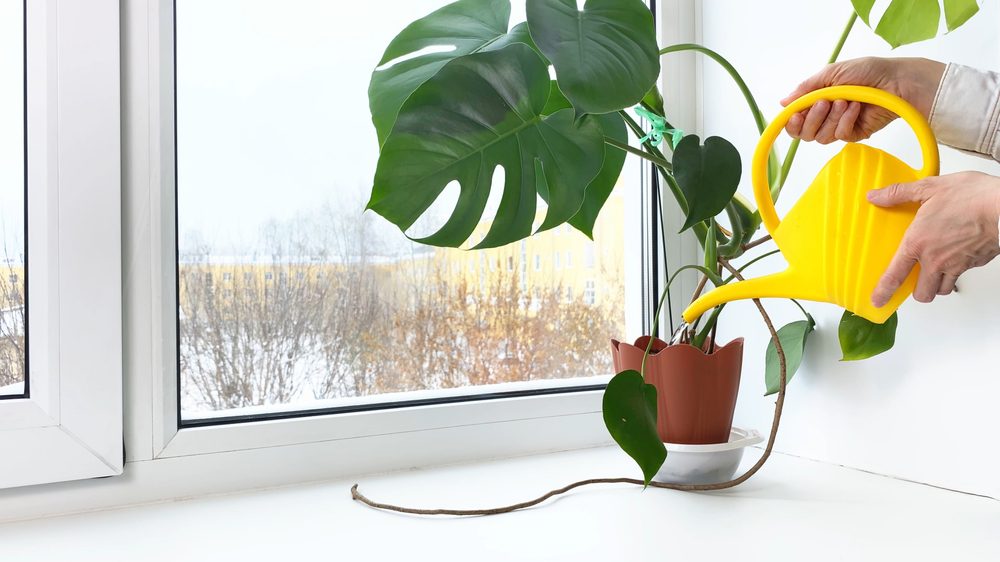
If your houseplants struggle in winter, you’re definitely not alone. And you’re not a bad plant parent, either. Winter houseplant problems happen because light levels drop, indoor air becomes extremely dry, watering habits don’t adjust, and temperature swings stress plants out.
Chicago winters amplify all of this. Short days, gray stretches, sub-zero nights, and forced-air heating create an environment that’s very different from the bright, humid conditions most tropical houseplants evolved in. What looks like a decline is often a plant responding to seasonal change.
Before you give up on that droopy pothos or yellowing monstera, know that these problems are not permanent damage, but rather signals of your plants’ needs. And when factors like light, humidity, water levels, or temperature are adjusted, plants typically stabilize and rebound as daylight returns.
Why Winter Is Hard on Houseplants
Every winter, a familiar pattern shows up indoors. Growth slows. Leaves fade. A plant that looked vibrant in late summer suddenly seems kind of sad-looking. It’s easy to assume something has gone wrong, but in most cases, what’s happening is seasonal and biological.
Many houseplants enter a period of semi-dormancy during winter. They aren’t actively growing the way they do in spring and summer. Instead, they conserve energy. With shorter days and weaker sunlight, photosynthesis slows down. Less light means less energy production, which means slower growth and reduced water use.
In Chicago, that shift is dramatic. Summer brings long daylight hours, bright sun, open windows, and natural humidity. Winter brings gray weeks, early sunsets, sealed windows, and constant furnace heat. The contrast is extreme. Plants that were thriving in abundant light are suddenly expected to adapt to a fraction of it.
Indoor environments add another layer of stress. While homes feel comfortable to people, they’re often artificial and inconsistent for plants. Light comes from one direction. Humidity drops sharply. Temperatures fluctuate near windows and doors. Air circulates differently once heating systems run nonstop.
When people search for why houseplants die in winter or try to understand indoor plant problems in winter, the answer usually comes back to this combination: reduced light, slowed metabolism, and environmental stress.
Winter Stress Checklist
If a plant seems off during winter, these are common seasonal symptoms:
- Yellowing leaves
- Leaf drop
- Brown or crispy tips
- Slow or stalled growth
- Wilting despite moist soil
These signs don’t automatically mean a plant is dying. More often, they signal that the plant’s environment has changed faster than its care routine has adjusted. Once the symptom has been identified, it becomes easier to care for them.
Low Light Is One of the Biggest Winter Challenges
Among all winter houseplant problems, low light is usually the biggest factor.
From November through February in Chicago, daylight hours shrink dramatically. The sun rises later, sets earlier, and never climbs as high in the sky. Even on clear days, the light intensity is lower than it was in summer. Add weeks of heavy cloud cover, and the cumulative effect becomes significant.
A plant that thrived a few feet from a window in July may now be receiving a fraction of that light in January. What felt like a bright room in summer can become surprisingly dim in winter. Plants positioned deeper into a room are affected even more. Light diminishes quickly with distance, and in winter, that drop-off is dramatic.
Because light fuels photosynthesis, reduced exposure means reduced energy production. When energy drops, growth slows, and visible changes follow.
Signs a Plant Isn’t Getting Enough Light
- Leggy, stretched-out stems reaching toward the window
- Pale or smaller leaves
- Little to no new growth
- Gradual leaf drop, especially lower leaves
These symptoms often show up slowly, which makes them easy to overlook at first.
Fast Fixes for Low Winter Light
Small adjustments can significantly improve conditions.
Move plants closer to windows
South- and west-facing windows provide the strongest winter light. Even shifting a plant a foot or two closer can increase exposure.
Rotate weekly
Turning plants a quarter turn each week encourages balanced growth and prevents leaning toward one light source.
Clean dusty leaves
Dust blocks light absorption. Gently wiping leaves with a damp cloth improves efficiency and gives plants a subtle boost.
Consider adding a grow light
Grow lights don’t have to feel technical or intimidating. Many modern options are compact, energy-efficient, and simple to use.
When indoor plant problems in winter show up as stalled growth or leaf loss, increasing light is often the most effective first step. Once that foundational need is addressed, other adjustments become easier, and plants respond more predictably.
Dry Indoor Air and Heating Systems Stress Plants
Light isn’t the only shift plants experience in winter. Humidity changes just as dramatically (and often more abruptly).
Once heating systems turn on in late fall, indoor humidity levels can drop to 20–30%. For people, that might mean dry skin or static electricity. For tropical houseplants, it’s a significant environmental change. Most common indoor varieties evolved in regions where humidity regularly sits between 50–60% or higher.
Chicago’s indoor heating season is long. Furnaces run consistently for months, pulling moisture from the air day after day. Even homes that feel comfortable can be persistently dry from a plant’s perspective. Over time, that prolonged dryness creates visible stress.
Signs of Low Humidity Stress
- Brown leaf tips
- Crispy or curling edges
- Flower bud drop
- Increased spider mite activity
These symptoms often get mistaken for watering issues. In many cases, the soil moisture is fine. It’s actually the air that’s too dry.
Fast Fixes for Dry Indoor Air
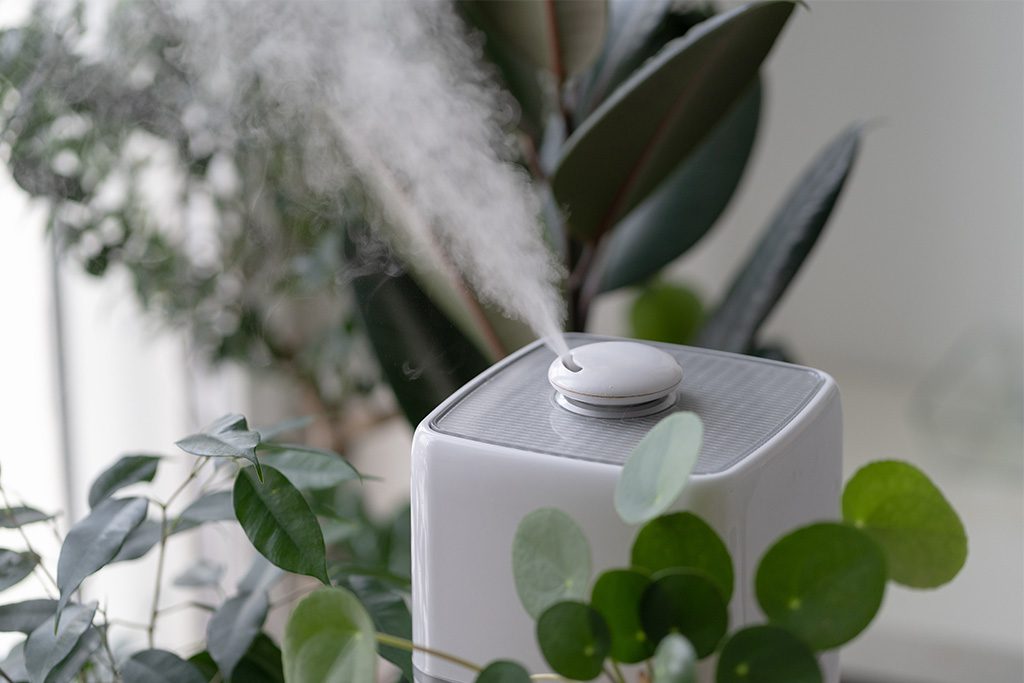
Use a humidifier
This is the most effective and consistent solution. A small room humidifier can raise humidity to a more comfortable range for plants and people alike. Even a modest increase can reduce brown tips and leaf damage over time.
Group plants together
Plants naturally release moisture through transpiration. When grouped, they create a small pocket of slightly higher humidity around themselves.
Use pebble trays
Placing pots on trays filled with pebbles and water (with the pot sitting above the water line) adds localized moisture as the water evaporates.
Keep plants away from heat vents
Direct blasts of warm air accelerate moisture loss from leaves and soil. Relocating plants just a few feet away from vents can reduce stress significantly.
Managing humidity becomes one of the most important parts of winter plant care in Chicago. While existing leaf damage will not reverse, stabilizing moisture levels allows future growth to emerge stronger and more resilient. Small adjustments made consistently throughout the winter season can make a noticeable difference in how well plants carry through to spring.
Overwatering and Underwatering Mistakes in Winter
In winter, as daylight decreases, plant growth slows. When growth slows, water usage drops. Roots absorb moisture more gradually, and evaporation happens more slowly in cooler, darker conditions. The result is simple but easy to overlook: soil stays wet much longer than it did in summer.
If watering schedules remain unchanged from the growing season, roots can sit in moisture for extended periods. Over time, this increases the risk of root rot, which is one of the most common causes of serious winter decline.
At the same time, some plants may still dry out near heat sources, leading to confusion. The surface of the soil may look dry while the lower root zone remains saturated. Without checking more deeply, it’s easy to misread the situation.
Signs of Winter Watering Problems
- Yellowing leaves
- Mushy stems near the base
- Wilting despite wet soil
- Persistent fungus gnats
Wilting in wet soil is an especially important clue. It often signals root damage rather than thirst.
Fast Fixes for Winter Watering
Check the soil before watering
Insert a finger about two inches into the soil. If it still feels moist at that depth, wait. Moisture meters can also help remove guesswork.
Ensure proper drainage
Pots should always have drainage holes. Decorative containers without drainage significantly increase winter risk.
Water less frequently (but not less thoroughly)
When it is time to water, soak the soil completely until excess drains out. Then allow the plant to dry appropriately before watering again. Reducing frequency is more effective than giving small sips.
Use well-draining soil
A quality potting mix that allows airflow around roots helps prevent compaction and prolonged saturation.
Winter watering requires a change in rhythm. Observing the soil rather than following a fixed schedule allows plants to move through dormancy without unnecessary stress. When moisture levels match reduced winter growth, stability returns, and a serious decline is far less likely.
A good winter rule of thumb: when in doubt, wait a day or two before watering. Overwatering causes far more winter damage than underwatering.
Temperature Swings and Drafts Cause Hidden Damage
Some winter houseplant problems aren’t about light or watering at all… they’re caused by sudden temperature shifts.
During a Chicago winter, the temperature difference between indoors and outdoors can be extreme. On sub-zero nights, window glass becomes significantly colder than the surrounding room air. Even if the thermostat reads 70°F, the air right next to that window can drop quickly after sunset.
Plants placed close to windows, exterior doors, garages, or entryways experience these fluctuations firsthand. Warm air during the day, sharp cold exposure at night. Add in doors opening and closing or heat cycling on and off, and the environment becomes inconsistent.
While many houseplants tolerate steady indoor temperatures well, rapid swings create stress at the cellular level. Leaves and stems aren’t built for repeated cold shocks.
Signs of Temperature Stress
- Sudden leaf drop
- Darkened or blackened patches on leaves
- A wilted appearance overnight despite moist soil
These symptoms often appear quickly, sometimes within a day or two of exposure to cold drafts.
Fast Fixes for Draft and Temperature Damage
Move plants away from drafty windows
Even shifting a plant back a few inches can reduce nighttime cold exposure.
Avoid placing plants near exterior doors
Entryways, mudrooms, and garage-access doors experience frequent temperature swings.
Keep plants away from radiators and heating units
Direct heat creates dry, fluctuating air that stresses foliage.
Maintain stable indoor temperatures
Most tropical houseplants prefer a consistent range between 65–75°F. Stability matters more than hitting a specific number.
In Chicago, where winter temperatures often drop below zero, protecting plants from cold exposure is essential. Since they thrive on consistency, sharp shifts from warm afternoons to freezing window glass at night can cause stress. Even if a home feels comfortable, areas near windows and doors can form colder microclimates. Spotting and adjusting these subtle stress points helps prevent sudden decline.
How to Fix Winter Houseplant Problems Quickly
Seeing your plants in distress can feel concerning, especially if stress signs show up fast. But most issues are easy to correct with a few simple adjustments.
Winter Houseplant Reset Checklist
- Increase light
Move plants closer to bright windows or supplement with a grow light to offset shorter days.
- Reduce watering frequency
Let the top inch or two of soil dry before watering. Growth slows in winter, so moisture needs drop.
- Raise humidity
Use a humidifier, group plants together, or place pots on pebble trays to counter dry indoor air.
- Protect from drafts
Keep plants away from cold window glass, exterior doors, and heating vents.
- Pause fertilizer until spring
Most houseplants are resting. Feeding now can do more harm than good.
Remember, in many cases, healthy roots and stems will push fresh growth once light levels improve in spring. Damage does not automatically mean the plant is beyond saving.
Houseplants That Are Easier to Care for in Winter
Not all plants respond to winter in the same way. While some tropical varieties struggle with every shift in light and humidity, others remain steady and adaptable. Choosing the right plant for the season can dramatically simplify houseplant care in a Chicago winter.
Certain varieties tolerate lower light, handle drier indoor air, and are less sensitive to minor watering inconsistencies. For homes with limited winter sun or active heating systems, these plants often provide a calmer, more predictable experience.
Winter-Tough Favorites
Snake Plant (Sansevieria)
Exceptionally adaptable to lower light conditions and very drought tolerant. Snake plants store water in their thick leaves, making them forgiving when watering schedules fluctuate.
ZZ Plant (Zamioculcas zamiifolia)
Well suited to dimmer rooms and dry indoor air. Its waxy leaves reduce moisture loss, helping it remain stable through heating season.
Pothos
Flexible and resilient. Pothos adapts to a range of light levels and bounces back well if watering isn’t perfectly timed.
Cast Iron Plant
True to its name, this plant tolerates low light and inconsistent conditions better than most tropical varieties.
Philodendron
Many types handle moderate light and winter slowdowns gracefully, making them reliable for indoor collections.
Aglaonema (Chinese Evergreen)
Performs well in lower to medium light and manages indoor humidity fluctuations better than more delicate tropicals.
What these plants share is adaptability. They don’t demand intense sunlight during Chicago’s gray months. They’re less reactive to occasional dryness in the air. And they don’t require precise watering to remain healthy.
Don’t Give Up on Your Plants This Winter
By the time February arrives, it’s easy to feel discouraged. A few yellow leaves here, some stalled growth there, maybe a plant that looks nothing like it did in August. But winter decline rarely means permanent loss.
In most cases, houseplants struggle in winter for three predictable reasons: reduced light, dry indoor air, and watering routines that haven’t shifted with the season. When those three areas are adjusted, stability usually follows.
Plants are remarkably resilient. Even if foliage has dropped or tips have browned, new growth often emerges strong once conditions improve and daylight begins to stretch longer in early spring.
At Platt Hill Nursery in Carpentersville, Bloomingdale, and Rockford, winter plant care is part of our everyday conversations. Our team can help you identify environmental stress, recommend practical solutions, and suggest varieties better suited to Chicago’s colder months.
If certain plants continue to struggle year after year, it may be time to explore winter-friendly options that naturally tolerate lower light and dry indoor air. Choosing plants that align with the season can transform winter from frustrating to manageable.
Explore our winter plant care resources online, shop winter-friendly houseplants, or stop by and let us help you create an indoor space that thrives, no matter what the weather forecast looks like outside.