
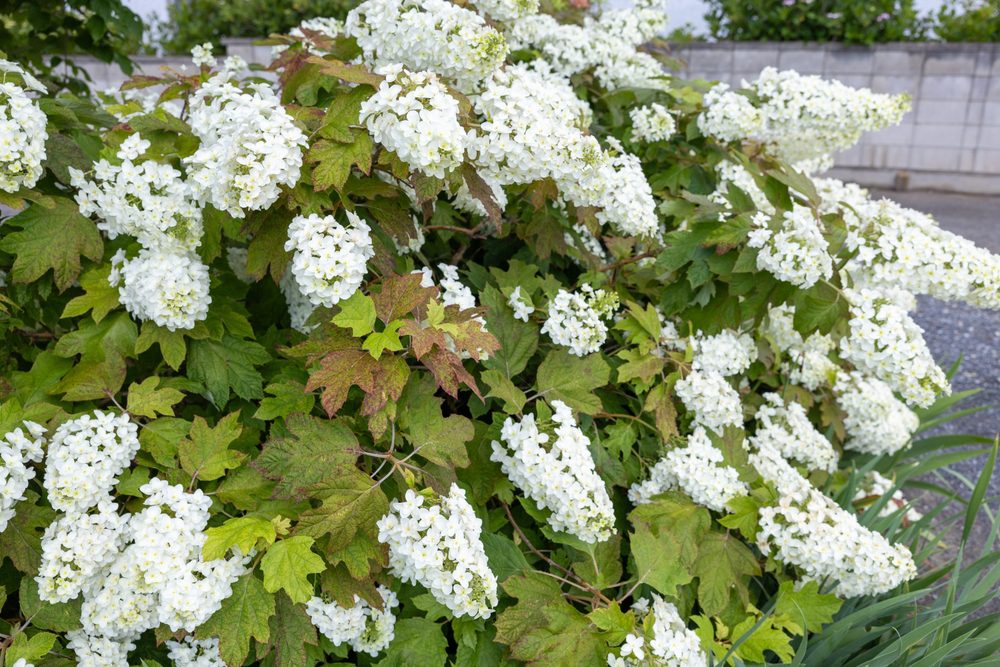
There’s something quite striking about oakleaf hydrangeas in their unique way of drawing attention without trying too hard. For example, their tall, cone-shaped blooms open in creamy whites, then shift toward soft pink as summer rolls on. In fall, their leaves take on deep reds and russets, and even bare stems hold interest with peeling parchment-like bark through winter.
For gardeners in the Midwest, especially in Zone 5, Hydrangea quercifolia offers four-season interest with relatively low effort… if you know what it needs. Understanding what makes them thrive, like how they grow, when they bloom, and what kind of care supports their natural cycle can help you better work with their rhythm instead of against it. If you’re planning your first shrub or fine-tuning an established bed, there’s always something new to learn and appreciate about this versatile plant.
Why Oakleaf Hydrangeas Stand Out
Once you start noticing oakleaf hydrangeas, it’s hard not to. Their form, foliage, and changing colors set them apart in ways that go beyond flowers alone. However, their beauty is only part of the story. These beauties are just as appealing for how easily they fit into any space or season.
Oakleaf hydrangeas (Hydrangea quercifolia) bring a sense of structure and softness all at once. Unlike the mophead types that steal the show for a few short weeks in the summer, these shrubs evolve over time by shifting color, texture, and interest as the months go on. Their coarse, deeply lobed leaves resemble oak leaves (hence the name), adding bold texture that works well in shaded borders, woodland gardens, or as a backdrop for perennials.
They’re also native to the southeastern U.S., which means they’ve evolved to handle heat, humidity, and seasonal shifts. This makes them a dependable choice for northern gardens, too.
Key Traits of Hydrangea quercifolia
Once you understand what Hydrangea quercifolia prefers, it’s remarkably easy to grow and enjoy for years to come. Oakleaf hydrangeas grow in a rounded, mounded form that typically reaches 4 to 8 feet tall and wide, depending on the variety. Their large, oak-shaped leaves can stretch up to a foot long, creating a bold backdrop through the growing season. In early to midsummer, sturdy stems hold upright clusters of white blossoms that gradually fade to pink, then tan as they dry, though often staying intact through frost.
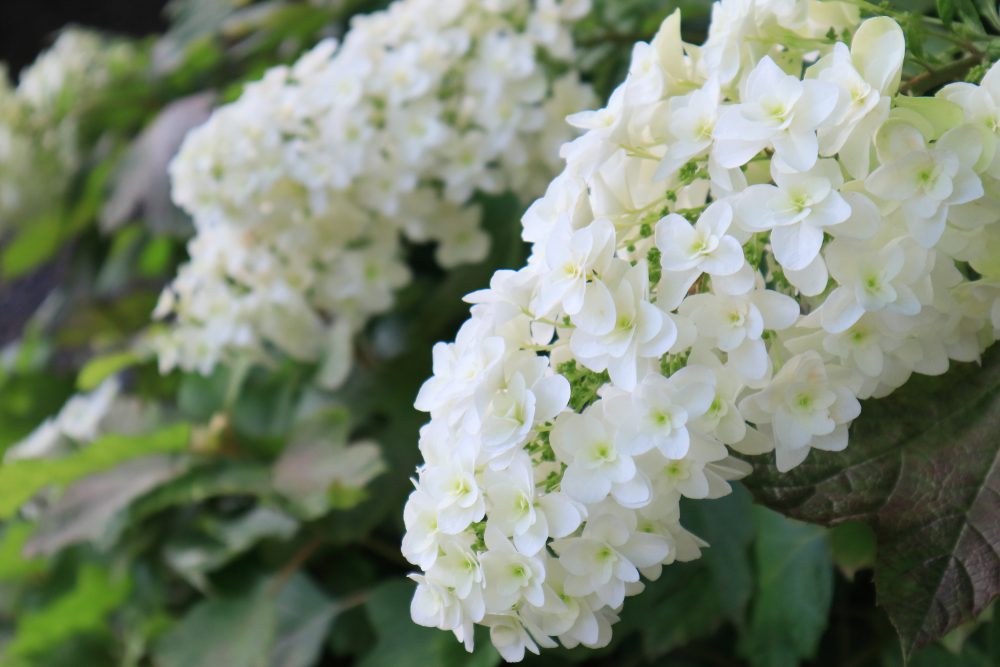
Unlike smooth hydrangeas (Hydrangea arborescens), which bloom on new wood, oakleaf hydrangeas bloom on old wood, meaning the buds form from the previous season. This trait affects when and how they should be pruned.
Beyond their looks, these shrubs bring practical strengths, too. They’re drought-tolerant once established, prefer good drainage, and perform best in part shade, especially where they’re protected from harsh afternoon sun. Their deep roots help them withstand both summer heat and cold winters, a balance that makes them especially well-suited to gardens across Chicagoland and northern Illinois.
Planting and Growing Oakleaf Hydrangeas
Oakleaf hydrangeas can establish themselves quickly and reward you for years with healthy growth and dependable blooms, but success starts with the right location.
Start with the right location. Oakleaf hydrangeas thrive in part shade, ideally with morning sun and dappled light through the afternoon. Too much direct sun can scorch the leaves, while deep shade can limit flowering. A spot with good air circulation helps prevent fungal issues, especially in humid summers.
They prefer rich, well-draining soil with plenty of organic matter. Heavy clay can be improved with compost or leaf mold to loosen texture and boost nutrients. Once planted, mulch around the base with shredded bark or leaf mulch to retain moisture and insulate roots through winter.
When watering, think “deep and occasional” rather than frequent and shallow. Keep the soil evenly moist through the first growing season, then scale back as the plant becomes established. Overwatering can lead to root rot, so drainage is key.
In Zone 5, planting in spring or early fall gives roots time to anchor before winter. A layer of mulch and snow cover usually provides enough protection through the cold months, though young plants may benefit from burlap wrap in exposed areas.
Pruning on Old Wood & Seasonal Care
Once your oakleaf hydrangea is established, it doesn’t need much, but timing and technique matter when it comes to trimming and tending through the seasons.
Because oakleaf hydrangeas bloom on old wood, pruning should happen right after the flowers fade, typically in late summer. Waiting too long risks cutting off next year’s buds, which form in late summer to early fall. A light shaping at this time keeps the plant looking tidy without sacrificing blooms.
If you need to remove dead or damaged wood, that’s fine to do in early spring before new growth begins. Just avoid heavy structural pruning until after flowering. Over time, older stems can be thinned out at the base to improve airflow and encourage fresh growth.
In the fall, the leaves put on a vivid show of reds and golds before dropping. Let them fall naturally, so they help insulate the soil. Resist the urge to tidy too early, especially in colder parts of Zone 5 where snow cover and organic mulch protect the crown through winter.
Come spring, wait until the buds swell before doing any cleanup. Oakleaf hydrangeas tend to leaf out a little later than other shrubs, so patience is important. A gentle layer of compost around the base can kickstart new growth without overfeeding.
Favorite Oakleaf Varieties to Try
With their strong structure and shifting color palette, oakleaf hydrangeas are already impressive, but choosing the right variety can take them from a great choice to the right choice for your space. And while all oakleaf hydrangeas share the same basic form and seasonal interest, certain cultivars bring their own nuances in size, color, and bloom time. Here are a few favorites worth considering:

‘Gatsby Pink’
Known for its show-stopping blooms that age from white to a rich, dusky pink. A bit larger in habit, reaching around 6 to 8 feet tall and wide, it makes a strong statement in partial shade.
‘Gatsby Gal’
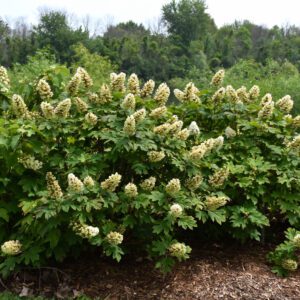
A slightly more compact option, topping out around 5 feet. It offers dense, upright white flower heads that stand tall even in heavy rain. This variety is great for more formal beds or smaller yards.
‘Ruby Slippers’
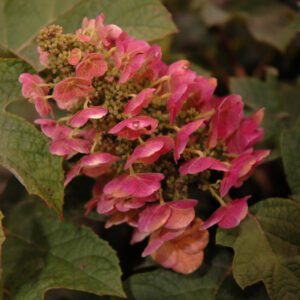
A standout for smaller gardens, with a mature height of about 3.5 feet. Its blooms quickly turn a vivid ruby-red as summer progresses, and its compact size makes it ideal for foundation plantings or front-of-border spots.
‘Toy Soldier’
One of the newer introductions, this variety features crisp white blooms on a very compact form, usually under 3 feet tall. A good pick for containers or tighter spaces where you still want seasonal drama.
Troubleshooting & Final Tips
Even with the best setup, plants occasionally send out signals that something’s off. Luckily, oakleaf hydrangeas are generally low-maintenance, and most issues come down to environmental stress. Oftentimes, small adjustments go a long way when it comes to supporting this garden favorite.
Leaf issues
If leaves are turning yellow or dropping early, overwatering or poor drainage is usually the culprit. Oakleaf hydrangeas don’t like “wet feet.” Check that the soil isn’t soggy, especially after rain. On the flip side, wilting in full sun may signal heat stress. For this, a little afternoon shade helps in hot summers.
Powdery mildew or leaf spots
While not common, humid conditions can lead to fungal issues, especially in crowded or overly shaded spots. Improve air flow around the plant and avoid overhead watering. Most of the time, cosmetic leaf issues don’t harm the plant long-term.
Lack of blooms
If your hydrangea is healthy but not flowering, it could be a pruning timing issue. Remember, they bloom on old wood. Pruning too late in the season removes next year’s flower buds. Harsh winters can also damage buds. Adding a layer of mulch and some form of wind protection helps in exposed areas.
Pests
These shrubs are generally pest-resistant, but you might occasionally see aphids, spider mites, or leaf rollers. A strong spray of water often knocks them off. If needed, insecticidal soap or neem oil can help. Be sure to always apply them early in the morning or late in the day. However, avoid heavy fertilizing as too much nitrogen promotes leaf growth over blooms.
Oakleaf hydrangeas reward close observation. They don’t shout for attention, but over time, their shifting textures and subtle changes become something you look forward to. And, with the right care, these shrubs become dependable, long-lasting companions in the garden, providing structure, color, and a sense of rhythm throughout the seasons.
If you’re looking to add one to your space or want help choosing a variety of hydrangeas that fit your garden best, we’re more than happy to help. Stop in at Platt Hill Nursery in Bloomingdale or Carpentersville to explore our current selection, or talk with one of our team members about what works well here in the Northwest Suburbs.